


From data center to fish tank: How to turn waste heat into local delicacies

Walk into almost any izakaya in Japan and you will find hokke on the menu. The Atka mackerel, caught in the cold waters off Hokkaido, is a staple of Japanese dining, its flesh rich and fatty, its aroma unmistakable. A joint verification project to raise Atka mackerel in a fully enclosed, land-based aquaculture system -- using waste heat from data centers to maintain the precise water temperatures the fish require -- has recently begun in Japan.
If the verification succeeds, it could open a path to aquaculture hokke commercially for the first time, while simultaneously offering a new model for how data centers can contribute to the communities in which they operate.
A problem of heat…and of perception
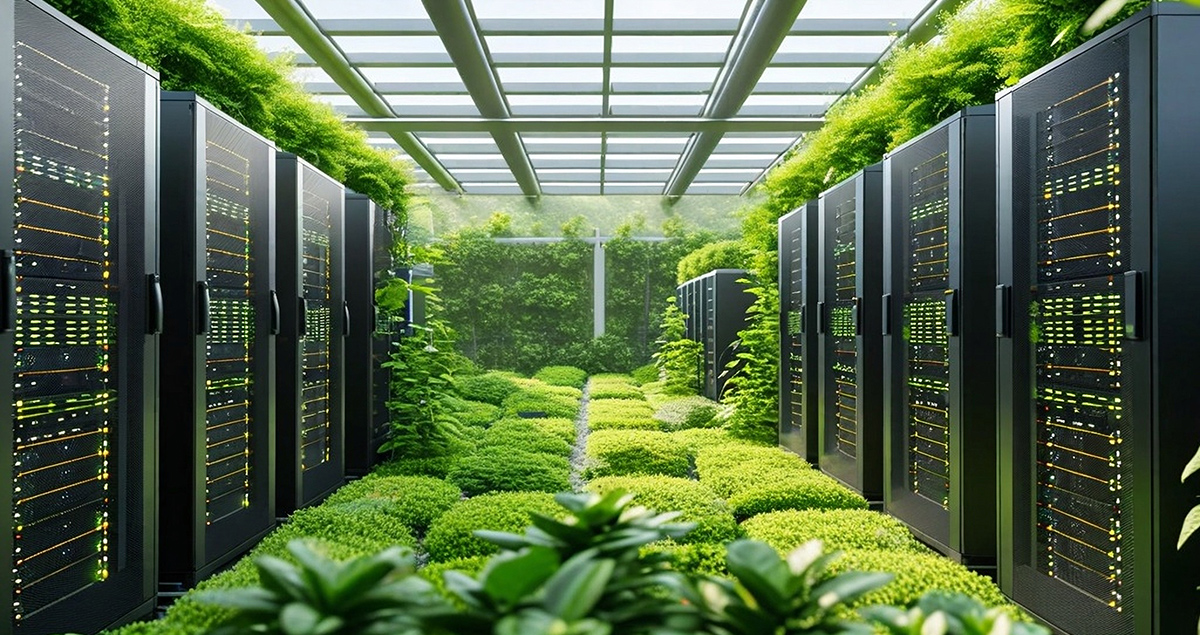
Data centers are, at their core, large consumers of electricity. The servers inside generate substantial heat, which must be continuously removed to keep systems running. That heat is currently vented into the atmosphere -- a significant waste of energy at a time when the data center industry is under growing pressure to reduce its environmental footprint and demonstrate its value to local communities.
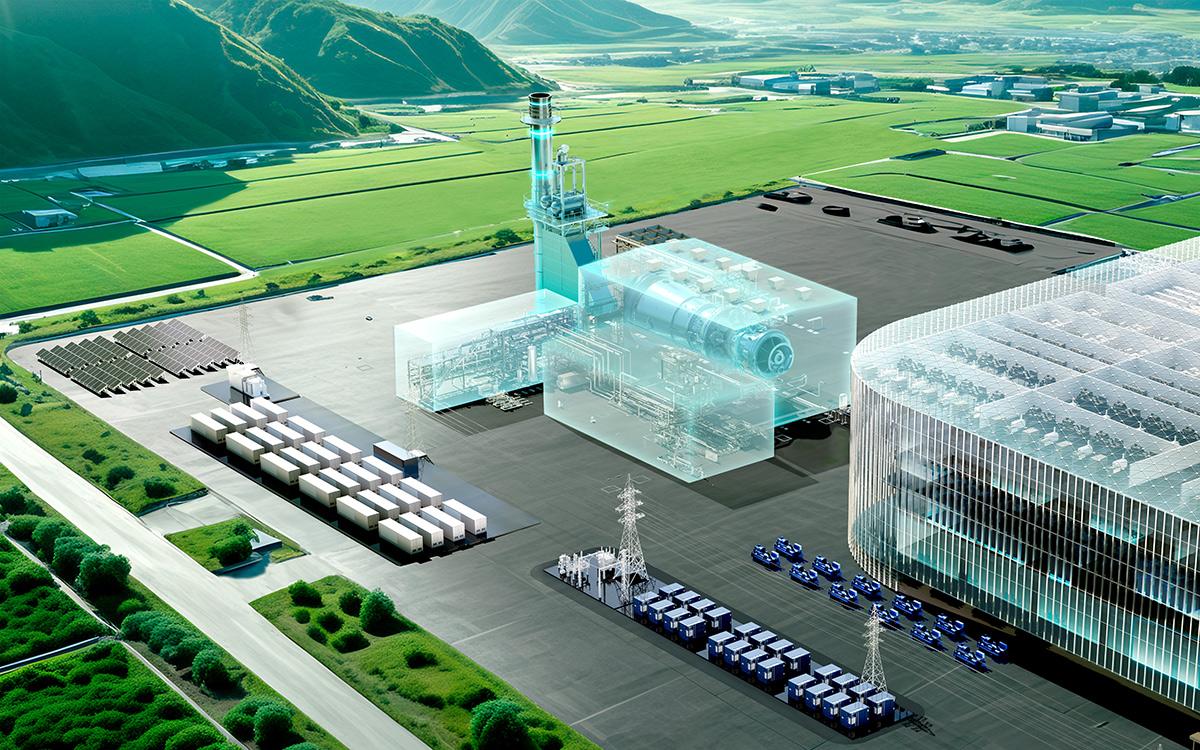
"Data centers face a wide array of environmental challenges," says Shin Gomi, Senior General Manager of Mitsubishi Heavy Industries (MHI)'s Data Center & Energy Management (DCEM) department. "While we are already addressing energy and noise issues through our proprietary technologies, initiatives for waste heat recovery and social contributions like job creation are lagging across the industry. We believe land-based aquaculture serves as a viable solution to these outstanding challenges."
The idea of repurposing data center waste heat is not entirely new. A data center in BibaiCity, Hokkaido, has used waste heat to warm water for eel farming -- the so-called "Snow Eel" project. In Europe, operators have explored using excess heat for producing trout, district heating and greenhouse agriculture.
The technology: clean water, anywhere
The system, called POSC-RAS® (Perfect On Shore Closed Recirculating Aquaculture System) developed by Acing Co., Ltd., a Nagano-based water treatment solutions company taking on new challenges in the field of land-based aquaculture, could be a game changer. It is a closed-loop technology that uses ozone-based water purification to suppress bacteria and pathogens, eliminating the need for the frequent water exchanges that have historically made land-based aquaculture expensive and operationally demanding. The system requires no vaccines or antibiotics to maintain fish health -- water quality control does the work instead.It does, however, require a heat source for managing water temperature and enhancing fish growth.
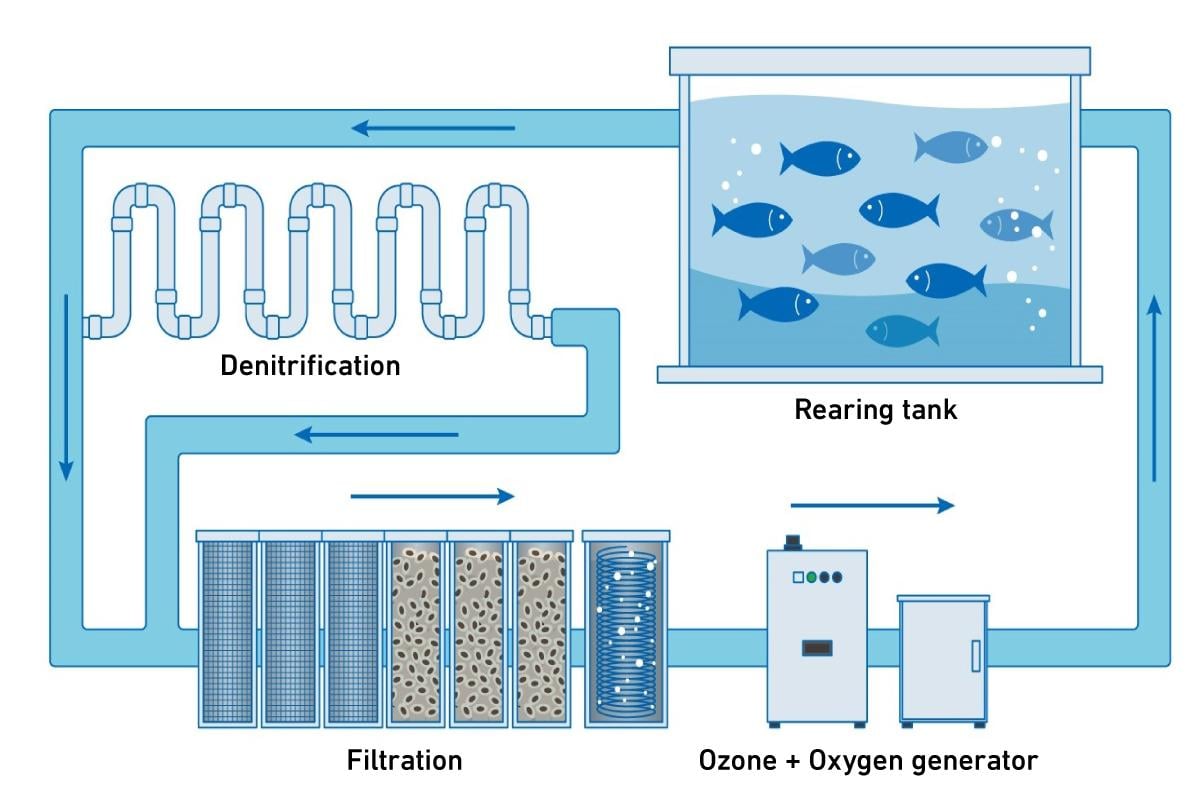
Crucially, because the system is completely isolated from the external environment, it can be installed anywhere. Inland cities, mountain towns and industrial brownfield sites all become viable locations for producing seafood that would otherwise require proximity to the ocean.
"Acing possesses the core fundamental technologies," says Atsushi Maruyama, Project Director in MHI's DCEM department, who is overseeing the collaboration. "MHI will contribute to the development for future scaling, focusing particularly on energy management.
Local brands, local jobs
For the data center industry, community acceptance is not a trivial concern. As demand accelerates across the globe, driven by the growth of cloud computing and artificial intelligence, operators and their suppliers face increasing scrutiny from local residents and municipalities. Concerns about electricity consumption, noise, and the visual impact of large facilities can slow or block development.
The current project in Okaya City is a verification exercise to establish the full production cycle, quantifying precisely how much waste heat is required and how best to capture and deliver it.
The aquaculture model may in time become an additional element of MHI's broader offering of power, cooling, and operational control systems for data centers -- a way of demonstrating that a data center can be not just a neutral piece of infrastructure, but an active contributor to the economic life of the community around it.
Atka mackerel has never been successfully farmed before, so if the project is successful, it will demonstrate the system’s viability and potentially help communities across Japan to develop distinctive, high-value local food products, with a story, a brand, and a market.
"Rearing fish is not our profession," says Gomi. "But making a social contribution is very much a core mission for MHI. If we can promote regional revitalization in Japan, create local brands and local jobs, and at the same time help overcome civic concerns about data centers, then we are happy to support the ideas of fish farmers."

Read more about Green & Sustainable Data Centers
Related tags
SHARE


Daniel Bogler
Daniel Bogler has been a journalist and media executive for more than 25 years, working for international news organizations in Asia, Europe and America.
MHI endeavors to ensure all content published on Spectra is accurate and current at the time of publication; however, data and links are subject to change, and MHI accepts no responsibility for information that has since been updated or amended. For more information please refer to our Terms of use.