


Why gas turbines are essential in the AI era

Built with decades of expertise, state-of-the-art-technologies, and superior efficiency, the latest gas turbines are marvels of engineering. A large gas turbine power generation unit can produce enough power for approximately 2 million homes.
With that in mind, it’s not hard to see why, hundreds of years on from the first patent for the technology, demand is booming. Yet just a few years ago, the situation was quite different. As net zero became a priority on corporate and national agendas, the rise of renewable power was seen as the go-to solution, while some predicted gas power assets could become stranded in the future.
So why the turnaround? Order books are filling and manufacturers are shifting to an increased production mode to keep up. Alongside a growing understanding that the energy transition needs to be realistic, this can be attributed to two words: artificial intelligence.
Data center power demand
As we move further into the ‘Age of Electricity’, power demand is soaring, driven by cooling technologies, electrification and AI — a technology that industry analyst Wood Mackenzie says is “straining global power markets”. It predicts that global data center power demand will have reached 700 terawatt-hours (TWh) in 2025. This could double by 2030. By 2050, data centers could consume 3,500 TWh, equivalent to the current power demand of India and the Middle East combined.
With the potential to optimize energy systems and accelerate the development of new technologies, AI itself could provide part of the solution. Gas-fueled power generation with gas turbines at its core, which provides reliable, firm power and assists with long-term decarbonization goals, has also become central to the response.
Three reasons gas turbines are booming
There are three main forces driving the current demand for gas turbines.
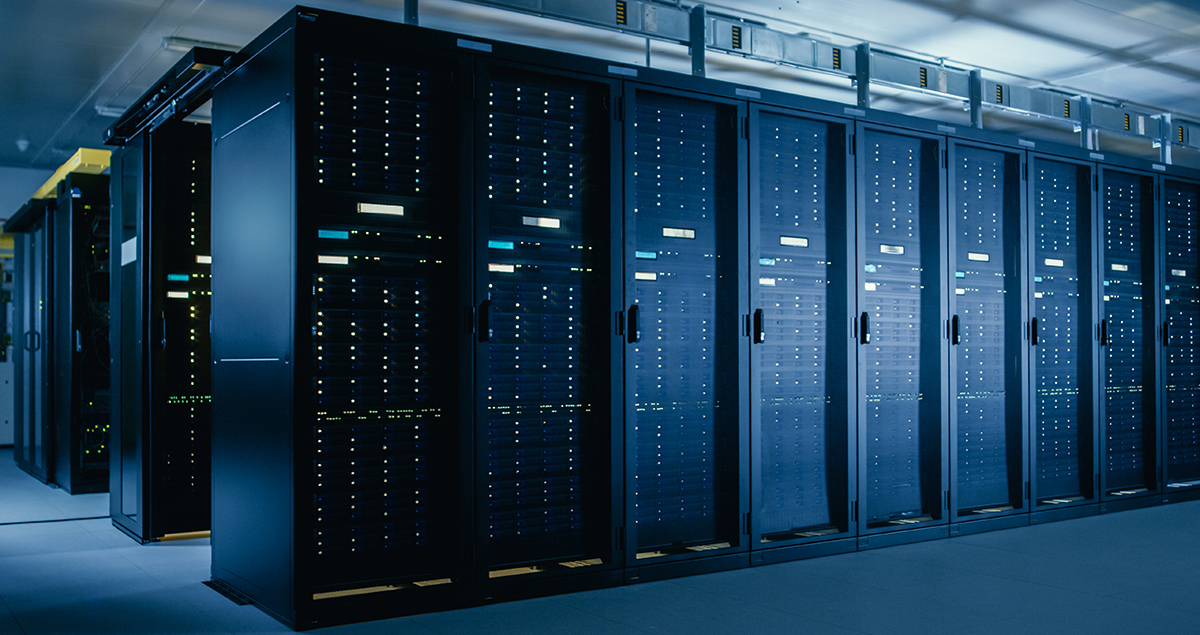
First, the data centers that store and process the data used and generated by AI require reliable around-the-clock power and lots of it — the storage systems at Microsoft’s AI data center in Wisconsin, US, for example, are five football fields in length.
A direct connection to the public grid has been the preferred strategy for powering data centers, particularly in the case of hyperscalers and co-locators. As the type of reliable power needed can only come from firm generation assets, utilities are investing in building gas power plants, often equipped with high-efficiency advanced gas turbines. According to figures from BloombergBNEF, 57% of power for data centers will be gas and coal in 2035.
However, big tech firms can face long grid connection delays for new facilities. Data center operators are increasingly looking to on-site, or ‘behind-the-meter’, generation to remedy this.
They are leading buyers of renewable energy but even with battery storage, these intermittent sources cannot guarantee the reliable power their facilities need — leaving gas turbines as one of the only options that can provide the required level of power in a compact footprint and reasonable time frame.
Second, as countries and utilities shutter aging coal plants to meet regulations and climate goals, there’s an urgent need to replace lost baseload capacity with a proven alternative. This is particularly true as energy security becomes a greater focus amid geopolitical uncertainty. Gas turbines provide the reliability, scalability and fast ramp rates — reaching full load in minutes — needed, particularly in regions where renewables cannot yet deliver a dependable supply, 24/7.
And third, as the share of intermittent renewables in the energy mix grows, so too does the need for flexible back-up generation. Natural gas ‘peaker plants’, with gas turbines at their core, can ensure grid reliability.

Increased production capacity
All of this means orders for gas turbines are soaring.
This year, they are forecast to increase to more than 1,000 units, of which more than 180 will be large units. This is the most since 2011 and a near 50% increase on average over the previous five years.
For Mitsubishi Power, a power solutions brand of Mitsubishi Heavy Industries (MHI) — one of the three major gas turbine manufacturers — this has meant formulating a robust response while being cautious not to overinvest in the demand boom.
The company has announced it will increase production capacity by 30% in a few years. “The 30% production capacity increase target is only a milestone,” said Eisaku Ito, the President and CEO of MHI, “and we are exploring ways to shorten lead times and increase throughput from every angle, including the supply chain.”
Future-proof power solutions
Will the boom continue? Industry figures seem to think so, at least when it comes to increasing demand from AI data centers.
Bill Newsom, President and CEO of Mitsubishi Power Americas, sees this not as a bubble but as a long-term, sustainable market.
“In the early 2000s, the bubble in the combined cycle gas turbine market burst because it was predicated on very small independent power producers chasing spark spreads with merchant plants,” he said. “With hyperscalers today, the business fundamentals are totally different.”
And as AI systems continue to evolve at pace, so too do the gas turbines that are helping to power them. While natural gas has long been considered a bridge fuel to support the expansion of renewables and speed up the shift from coal, there is still room to reduce CO₂ emissions.
Here, Mitsubishi Power is working on hydrogen co-firing as a zero-emissions alternative. Currently, Mitsubishi Power’s state-of-the-art JAC gas turbines can utilize a mixed fuel containing 30% hydrogen blended with natural gas, with the goal of commercializing 100% hydrogen-fueled gas turbines from 2030 onward. CO₂ capture, meanwhile, can remove almost all CO₂ from gas plant emissions.
These technologies ensure that gas turbines can meet demand spikes today and help data center operators meet net zero commitments in the future.

Read more about Mitsubishi Power’s advanced gas turbines
Related tags
SHARE


David Elliott
David Elliott has two decades’ experience working as a journalist, communications professional and content creator, including for some of the world’s biggest technology brands.
MHI endeavors to ensure all content published on Spectra is accurate and current at the time of publication; however, data and links are subject to change, and MHI accepts no responsibility for information that has since been updated or amended. For more information please refer to our Terms of use.