


What is biochar and how can it help with decarbonization?

Could a practice dating back thousands of years help achieve net zero today?
Biochar — a material similar to charcoal created by heating organic material — removes carbon from the atmosphere while creating a product that can be used in agriculture.
There is evidence that Indigenous people in the Amazon Basin used biochar as a soil amendment more than 2,500 years ago. Today, it is locking away carbon from agricultural waste, and could help boost soil fertility and crop yields in a time of rising food insecurity.
But what exactly is biochar? And why is it gathering increasing attention as a decarbonization solution?
What is biochar, and how is it made?
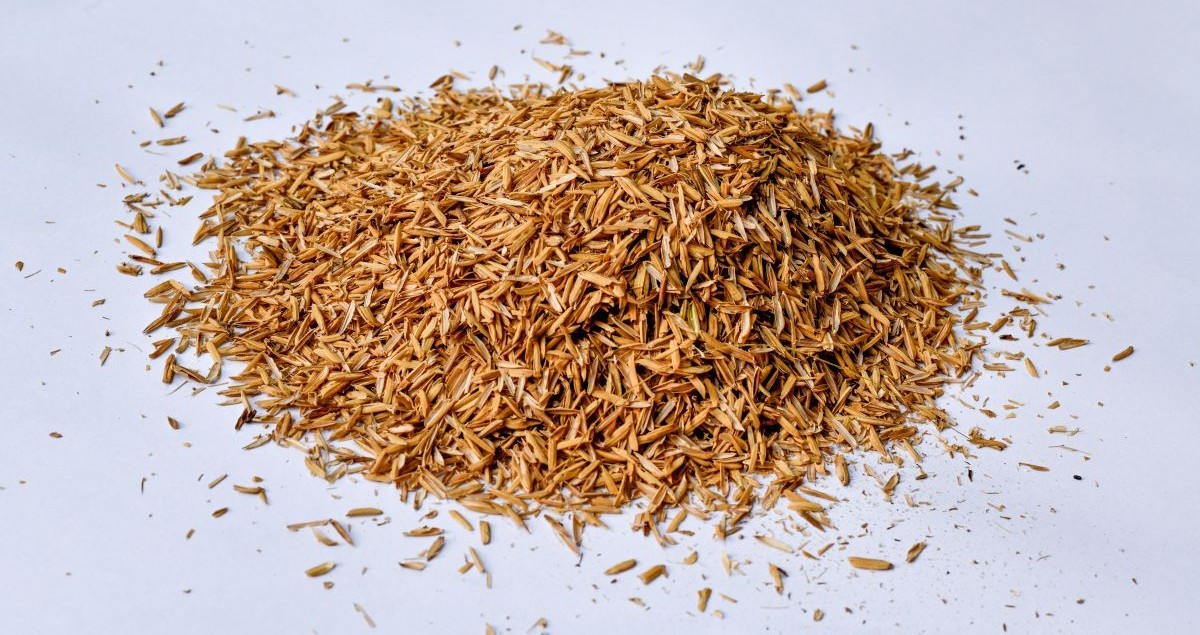
Despite appearances, biochar is more than just burned wood. While similar to charcoal, it has distinct properties — greater porosity and a larger surface area — thanks to the specialized conditions under which it is produced.
It is made from waste biomass — such as agricultural byproducts, forestry residues and solid waste — that has been carbonized by pyrolysis. This process heats the material in the absence of oxygen, causing it to thermochemically decompose rather than burn.
Unlike charcoal, however, biochar pyrolysis occurs at higher temperatures (at or above 500°C). This process releases bio-oils and gases, leaving a solid residue with a carbon content that frequently exceeds 70% — biochar.
Virtually any organic material can be pyrolyzed to make biochar, including soft plant tissue, woody materials and manure.
And while different feedstocks result in different properties, all biochars are carbon-rich and don’t readily decompose.
How can biochar help with decarbonization?
Biochar’s key benefit lies in its ability to convert CO2 absorbed by plants into a stable, solid carbon that resists decomposition. This means the carbon can be locked away in soil rather than returning to the atmosphere.
Each tonne of biochar can sequester 1-3 tons of CO2 equivalent. Because of this potential, the Intergovernmental Panel on Climate Change now recognizes soil-based biochar as a viable route for terrestrial carbon sequestration.
Studies suggest the future impact could be significant. One UK analysis said that turning food waste into biochar could sequester around 93,000 metric tons of CO₂ annually in the country. Another recent paper suggests that converting 70% of waste straw into biochar could lock away carbon equivalent to almost 5% of global emissions.
Additionally, many applications of biochar qualify for credits sold on voluntary carbon markets. Companies that have bought biochar credits to offset emissions include Microsoft and Google.
While the overall carbon removal market today is small, with less than 0.1% of what’s needed being contracted in 2024, biochar represented about 86% of carbon removal purchases by volume in that year.
Biochar and waste heat recovery
Making biochar creates more energy than the process consumes, and this excess energy can be used to produce renewable heat, electricity or biofuels.
A new biochar production facility in Rhode Island, US, for example, will recover exhaust flue gases from pyrolysis as a renewable heat source.
When operational, the Quonset Soil Solutions site will turn wood chips from forestry into thousands of tons of biochar a year. During the process, the waste heat will be transferred through a heat exchanger and thermal oil loop to an Organic Rankine Cycle (ORC) system from Turboden, a part of Mitsubishi Heavy Industries (MHI) Group.
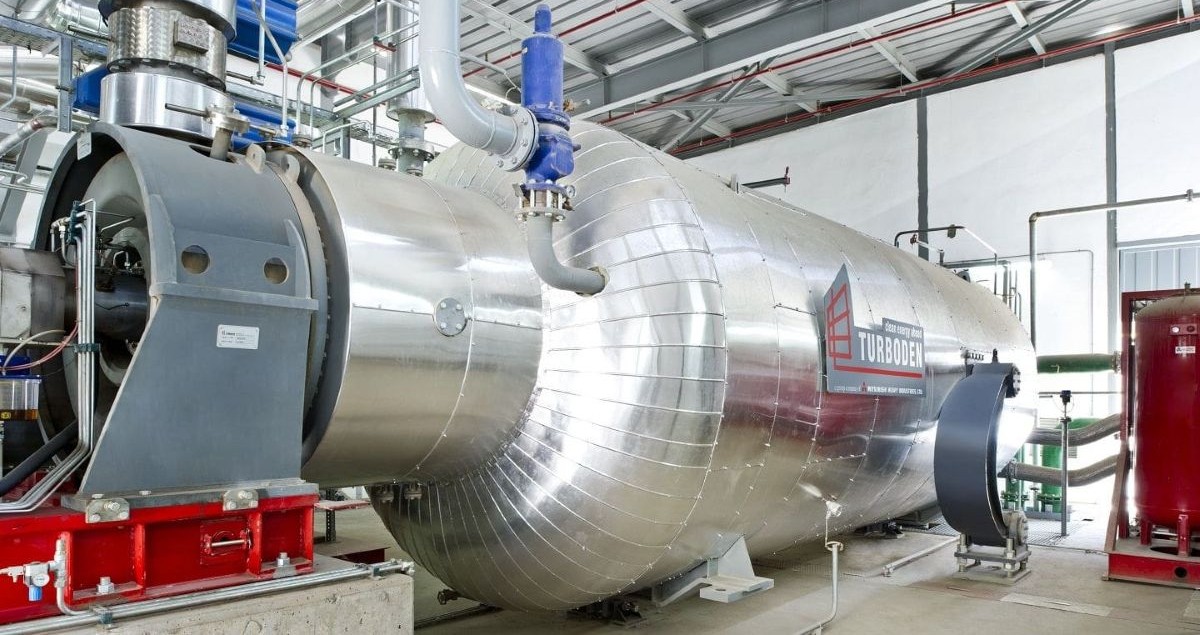
The ORC system will then convert the heat into electricity, which will offset the plant’s internal power consumption and allow it to operate independently of the electrical grid. Hot water produced by the ORC system will also be recovered and used to offset the building’s heating demand.
What is biochar used for?
Biochar can lock carbon from waste materials away for centuries instead of letting it return to the atmosphere in a landfill or through composting. Beyond this, the product can be used in agriculture.
Biochar’s porous structure makes it act like a sponge. Its massive internal surface area— just a few ounces can cover an area the size of a football field, according to the Soil Society of America — improves water and nutrient retention and promotes the growth of beneficial microbes.
It has also been shown to enhance soil structure, porosity and pH, increasing overall fertility.
As such, it has “significant potential to enhance food security,” researchers say. One study found that annual biochar application increased yearly crop yields on average by 10.8%.
Researchers are also studying the long-term effects of biochar’s use as a soil amendment, including the impact on organisms such as earthworms and potential adverse effects in specific combinations of certain soils and biochars.
But with the potential to lock carbon away for centuries while improving soil health, biochar’s future as a solution to climate and food security issues looks promising.

Discover more about Turboden’s Organic Rankine Cycle system
Related tags
SHARE


David Elliott
David Elliott has two decades’ experience working as a journalist, communications professional and content creator, including for some of the world’s biggest technology brands.
MHI endeavors to ensure all content published on Spectra is accurate and current at the time of publication; however, data and links are subject to change, and MHI accepts no responsibility for information that has since been updated or amended. For more information please refer to our Terms of use.