


How can we make electric power grids more climate-resilient?

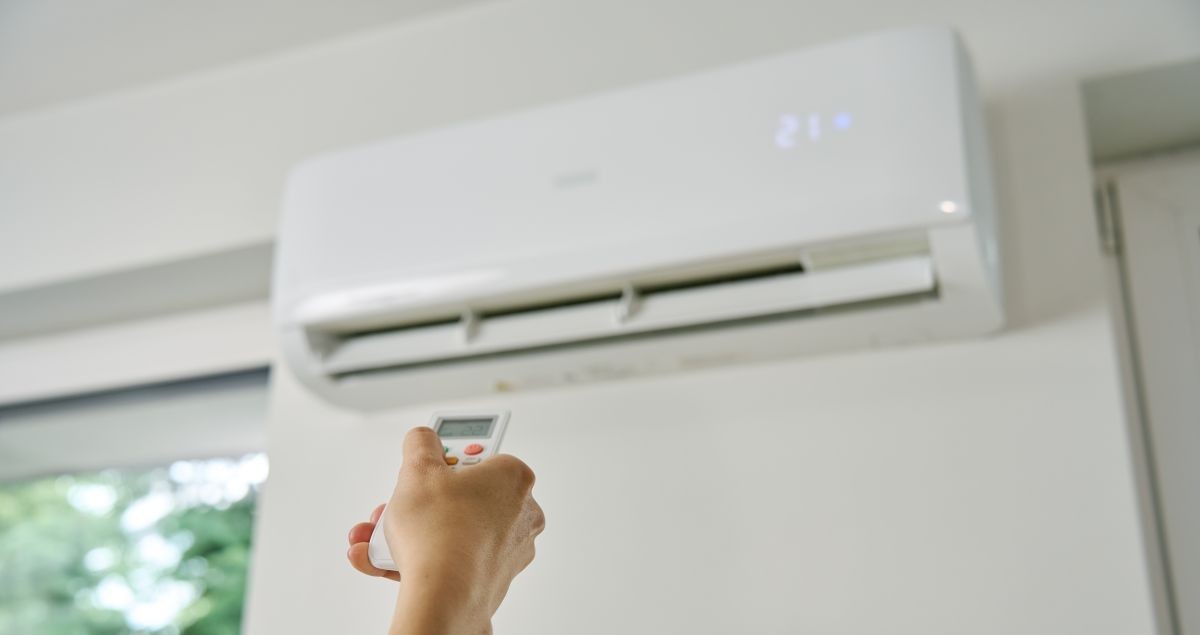
The past three summers were the three warmest on record. With rising temperatures and heatwaves, we increasingly turn to fans and air conditioners, but our quest for comfort is stressing our power grids.
When the North American Electric Reliability Corporation (NERC) conducted its annual grid reliability assessment last year, it recorded a doubling of peak electricity demand. In June and July that year Europe saw peak demand rise by up to 14% as temperatures exceeded 40℃.
Historically, peak demand occurred in winter due to lighting and heating, but global warming may invert this, risking shortfalls and blackouts during ever-hotter summers.
How can we strengthen electricity grids to be better prepared for a phenomenon that is likely to stay with us for some time?
What factors affect grid stability?
A range of factors contribute to grid stability deteriorating during intense heatwaves:
- Heat impact on grid infrastructure: High levels of heat generally slow the flow of the electric current. Transmission cables heat up and lose some of their capacity to carry electricity.
- Aging infrastructure: Contributing to grids crumbling in the heat is their age. For example, in advanced economies, where grids tend to be older, infrastructure has sometimes been operational for 50 years or more, according to the International Energy Agency (IEA). As aging assets come to the end of their operational life, they experience higher outage rates and may need to be taken out of service for longer overhauls.
- Dealing with intermittency: While the share of renewable electricity sources — including wind and solar — in our energy mix is growing rapidly, existing grids are often not laid out to deal with their intermittency. In hot summers, the amount of energy generated can easily exceed what the grid can absorb. Unless energy is curtailed — by lowering or switching off renewable generation — the excess electricity generated can overload the grid and lead to power outages.
- Phasing out of dispatchable energy: Capacity retirements impact grid stability. NERC reported over 7.4 GW of gas and coal generator capacity in the US retired or inactive before summer. Although solar and wind increased to more than offset these losses, fossil fuel and nuclear plants remain essential as back-up power or when renewables fall short.
- Energy addition: Heat spikes notwithstanding, electrical grids are also under pressure from rising energy demand as we enter what the IEA calls an ‘Age of Electricity’. The electrification of fossil-fueled processes – including electric vehicles – our growing need for space cooling and power-hungry AI data centers have led to electricity usage soaring.
What can we do to make grids more resilient?
The IEA has described power grids as a bottleneck for the energy transition. Across the globe, more than 80 million kilometers of grid infrastructure will have to be added or updated over the next 15 years to support the race to net zero.
However, grid upgrades alone will not suffice to make electrical infrastructure more resilient.
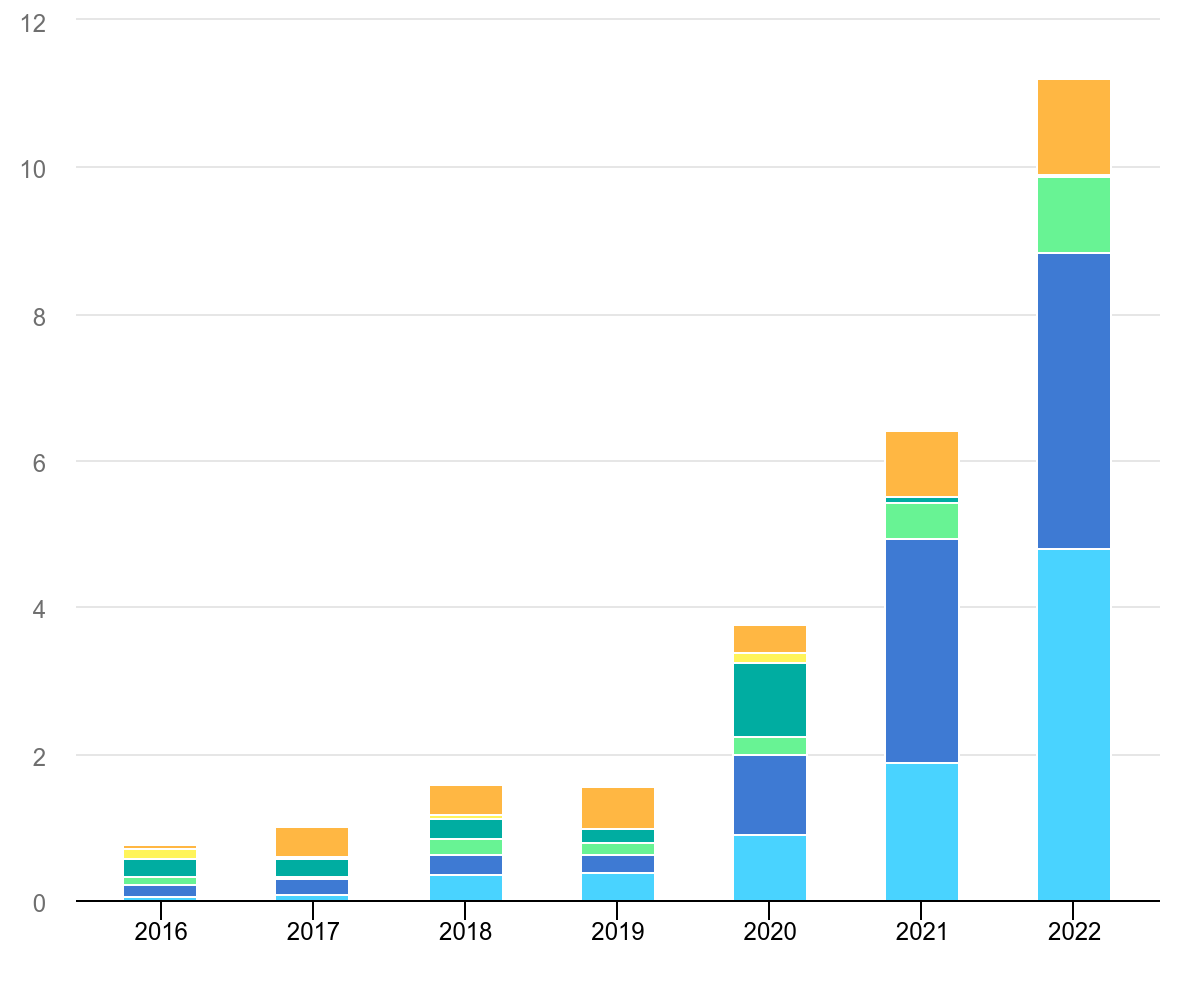
- Battery energy storage: Given the intermittency of renewable energy sources, capturing excess capacity is vital for balancing the grid during peak demand. Batteries are by far the most scalable storage option. Global deployments have grown by an unprecedented 54% year-on-year in 2025. Even so, capacity remains far below what’s needed to reach net zero, which the IEA projects will require nearly 970 GW by 2030 alone. Yet, as of last year, it only stood at around 155 GW.
- Peaker plants: Peaker plants are natural gas-fired power stations that can be called on for peak periods. This could be at nighttime, when solar energy output is low, or during heatwaves, when we push up our aircon dials. Peakers tend to be smaller than traditional utility-scale power stations and are designed to generate power on-demand, typically just for a few hours per day.
- Hydrogen and ammonia production: Excess renewable power can also be used to produce clean hydrogen and ammonia. Hydrogen can replace gas and coal in transport, industry and power generation, driving hydrogen-ready gas turbines. Green ammonia offers a low-carbon pathway to agricultural fertilizers and can also serve as fuel or a carrier for green hydrogen, simplifying its storage and transport.
- Nuclear power: More than a decade after the Fukushima-Daiichi accident, nuclear power is re-emerging as a sustainable, dispatchable and cost-effective energy source. Buoyed by improved safety and wide-ranging policy support, nuclear reactors will be a critical backstop for resilient low-carbon grids. While heatwaves have impacted reactors reliant on external water, solutions such as dry cooling or alternative coolants can address this to boost climate resilience.
Creating a resilient energy mix for a changing climate
With extreme weather conditions set to persist, building more robust, climate-resilient power grids is paramount for energy security and independence. There are two immediate priorities: creating a diverse energy mix encompassing renewables, battery storage, peaker plants, alternative fuels and nuclear power. And acting now.
Discover more about MHI’s work in energy resilience
Related tags
SHARE


Andrea Willige
Andrea Willige has spent many years creating content for the international business and technology press, working on behalf of some of the world’s largest technology companies.

MHI endeavors to ensure all content published on Spectra is accurate and current at the time of publication; however, data and links are subject to change, and MHI accepts no responsibility for information that has since been updated or amended. For more information please refer to our Terms of use.