


How Asia can build more flexible, resilient energy systems

While many regions are looking to build more resilient energy systems, Asia’s need is particularly acute.
The continent’s electricity demand is rising at about 5% a year, which is faster than anywhere else in the world. At the same time, with over 60% of its electricity being generated from fossil fuels, it is also highly exposed to geopolitical supply shocks. Almost 90% of the oil and gas that flows through the Strait of Hormuz, for example, is destined for Asian markets.
As demand continues to surge, largely driven by rapid AI data center expansion, how can Asia respond?
Lessons can be drawn from Japan — an import-dependent country with limited resources that has been planning strategically around energy security issues well before current crises emerged.
Diversification of energy sources a ‘priority’
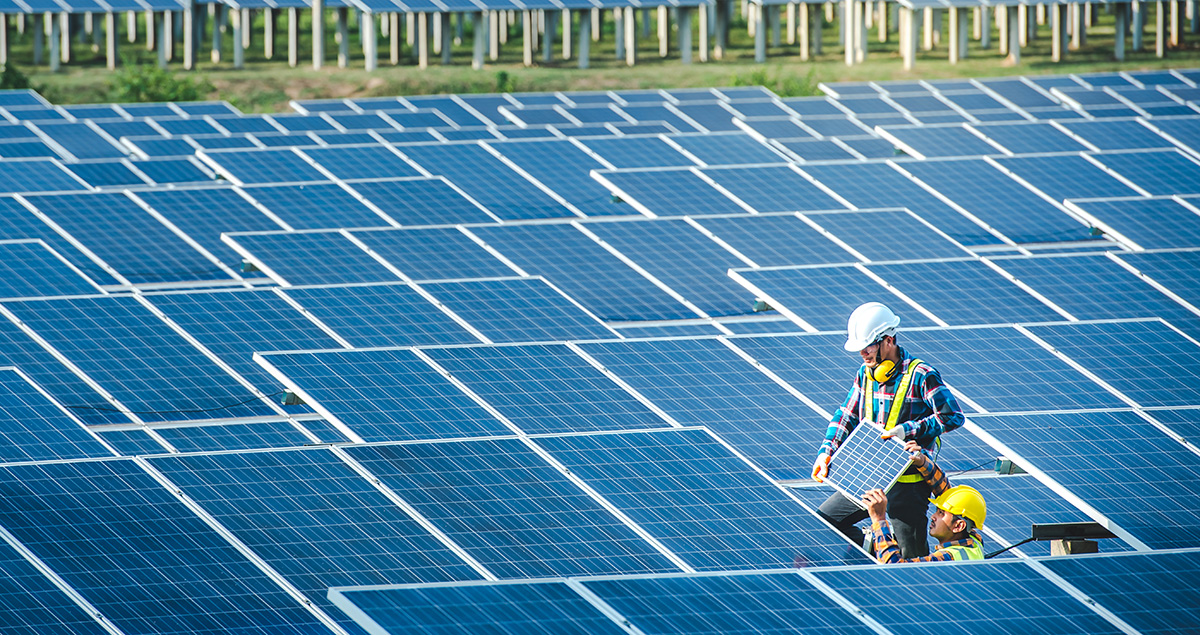
Energy is increasingly important to national economic strategy across Asia, and renewables generation often plays a crucial role. In China and India, fossil-fuel generation fell in 2025, largely due to the rapid scaling of solar and wind power, according to the energy think tank Ember.
In Southeast Asia, governments are also increasingly developing long-term renewables and electrification policies due to recent energy shocks. But as the region’s energy use soars, the International Energy Agency (IEA) notes “bolder action and stronger regional cooperation” will be needed.
Diversification of energy sources and supply routes is a “central priority”, the agency says, to reducing import exposure and strengthening resilience.
Japan’s experience and the principle of S+3E
This chimes with Japan’s experience. Because it has few natural resources at home, about 86% of the country’s total energy supply is imported, chiefly coal, oil and natural gas.
As such, the country has been planning a well-balanced energy supply system for decades, ever since the 1973 oil crisis that saw it diversify fossil fuel types and procurement sources while promoting energy conservation and the development of alternative energy sources.
Today, guided by the principle of S+3E (Safety, Energy security, Economic efficiency and Environmental sustainability), Japan is building a stable power supply while advancing decarbonization, including growing the share of renewables in its power mix from 23% in 2025 to between 40% and 50% in 2040.
A significant expansion of nuclear power is also planned, while wind, hydropower, biomass and geothermal all feature in the strategy.
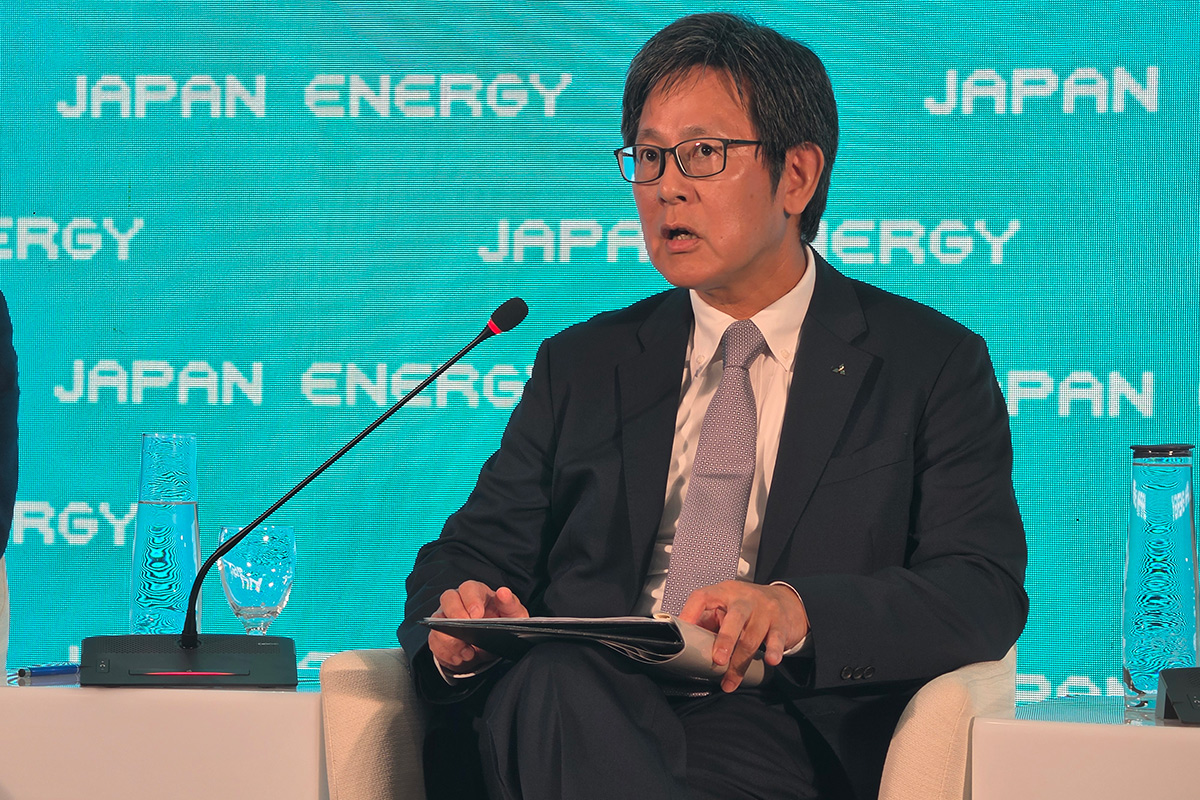
The one clear lesson from Japan, according to Takehiko Kikuchi, Chief Regional Officer, Asia Pacific & India at Mitsubishi Heavy Industries (MHI), is: “resilience requires a diverse and flexible energy system”.
Reliable, flexible resources vital for Asia
While this approach can help countries across Asia respond to changes in demand and external disruption, each market in the region is different.
Geothermal energy, for example, is uniquely abundant in volcanic regions such as Indonesia and the Philippines. Hydropower provides 40% of the electricity in Vietnam. Across Southeast Asia, from a low base, solar PV and wind are growing rapidly.
The picture this paints is one in which renewables have a crucial role, but a role that differs across countries and technologies. The key will be for countries to develop the right balance of technologies based on their unique circumstances and resources.
Southeast Asia, for example, has “vast potential” to help meet rising demand with a diverse array of resources, according to the IEA. Solar and wind alone represent 20 terawatts of what the agency describes as untapped potential — about 55 times the region’s current total generation capacity.
At the same time, especially as the need for 24/7 power for AI data centers grows, flexible and reliable resources such as natural gas will continue to play a central role, as it has done in Japan, Kikuchi says.
Strong cooperation makes the difference
Analysts say Japan displays a preference for building partnerships over self-sufficiency, where feasible, and this collaborative approach sits alongside innovation when it comes to making energy transition technology practical and sustainable, Kikuchi says. For lower-carbon tech to grow, infrastructure, supply chains and investment frameworks need to be built — and strong partnerships sit at the heart of this.
No company and no country can achieve this alone, Kikuchi adds. Regional cooperation, common standards and efficient supply chains can speed technology adoption and resource diversification, driving both progress and resilience.
At a recent meeting of the Asia Zero-Emission Community (AZEC), Japan launched an initiative called the Partnership On Wide Energy and Resources Resilience (POWERR Asia) to help support the stability of Asian countries. Alongside financial support to strengthen current energy supply systems, the framework includes medium- to long-term structural measures including developing storage infrastructure and diversifying energy sources including biofuels, next-generation solar power and small modular reactors.
“It is not about choosing between sustainability and competitiveness — but finding practical ways to deliver both,” Kikuchi concludes.

Discover more about MHI’s flexible and reliable power-generation solutions
Related tags
SHARE


David Elliott
David Elliott has two decades’ experience working as a journalist, communications professional and content creator, including for some of the world’s biggest technology brands.
MHI endeavors to ensure all content published on Spectra is accurate and current at the time of publication; however, data and links are subject to change, and MHI accepts no responsibility for information that has since been updated or amended. For more information please refer to our Terms of use.