


Decarbonizing Vietnam’s steel industry

Vietnam’s Red River Delta is a culturally and economically significant area for the Southeast Asian country. It is the birthplace of the ancient art of water puppetry and has a rich history of traditional handicrafts. With the capital, Hanoi, at its heart, it is also a vital hub for industries including electronics and automotives, and the government sees the region as a major growth engine that will drive development across the country.
The Delta is key to advancing national industrial strategy as Vietnam bids to upgrade from labor-intensive manufacturing to high-tech and sustainable industries, including electronics and renewable energy.
Underpinning this push is one of Southeast Asia’s fastest-growing steel industries. But rising demand and environmental pressures are accelerating the need to decarbonize the sector.
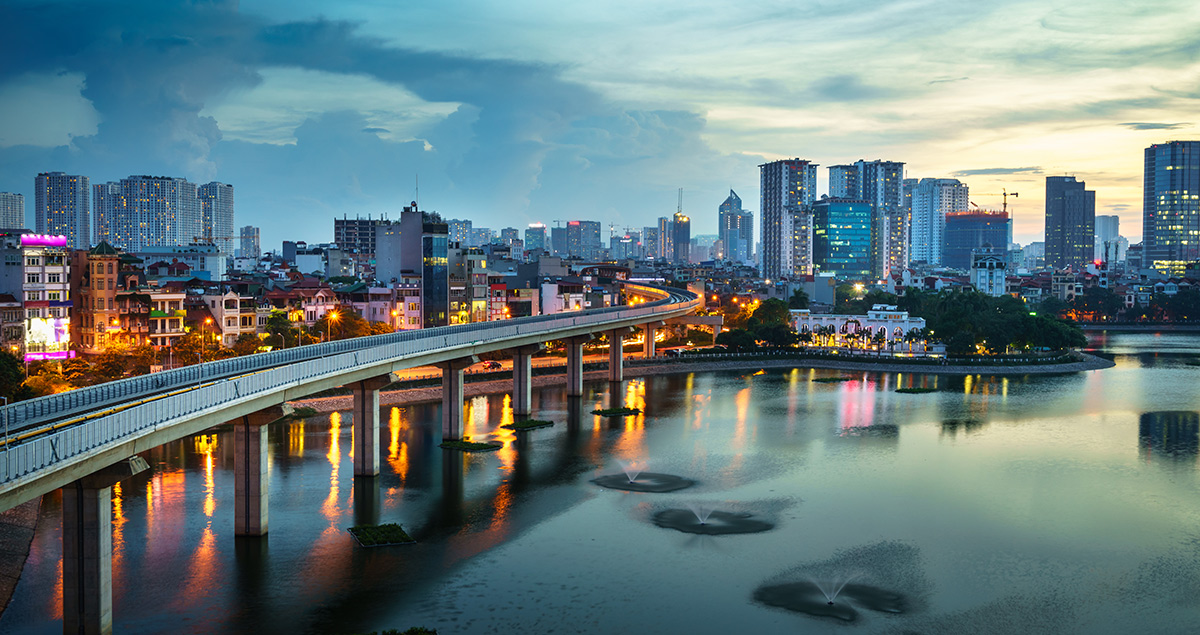
A hub for high-quality steel
Over the past decades, Vietnam’s economy has progressed at a pace described as “remarkable” by the Organisation for Economic Co-operation and Development. Manufacturing has been central to this growth, accounting for more than 20% of the country’s GDP. Advancing the sector is seen as essential to the innovation and competitiveness needed to sustain high GDP growth and boost quality of life, education and health across the country.
Becoming a regional hub for high-quality steel production is an important step, as many of the sectors the country is targeting, such as mechanical engineering and automotives, require a higher grade of steel than the ‘commercial grade’ mostly produced in the country today.
“Emerging producers of commercial steel offer relatively low-cost products, but increasing competition makes it difficult to remain competitive in this segment,” explains Ty Chung, General Manager of Integrated Plants and Consulting at Primetals Technologies, a Mitsubishi Heavy Industries (MHI) Group company and a key supplier to the steel industry. “The higher grades, meanwhile, are harder to produce because of the experience you need to make them — but, of course, less competition means a higher margin.”
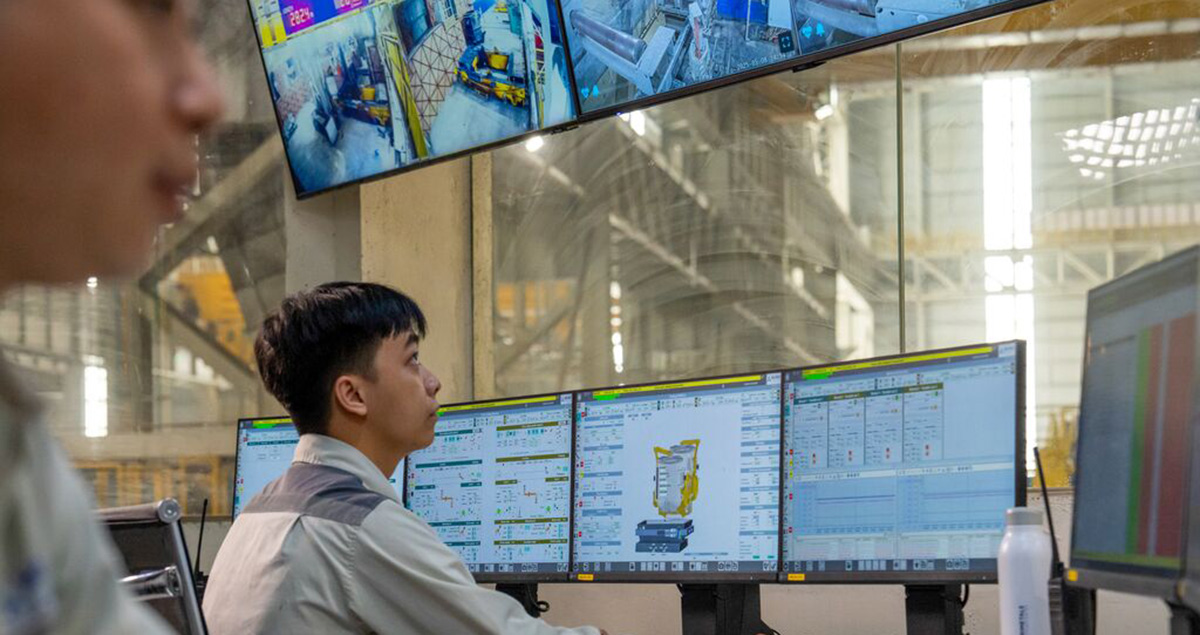
The role of electric arc furnaces
Building this capability is strategically important to Vietnam, as it will enable the country to become self-sufficient in supplying raw materials for industries that demand high strength and large dimensions, such as offshore wind turbine towers and shipbuilding, sectors that previously relied entirely on imports. By 2035, the government wants Vietnam’s steel sector to meet 85%-90% of domestic demand.
At the same time, while the country is targeting net zero emissions by 2050, its steel production is highly carbon-intensive due to the large share of primary blast furnace-basic oxygen furnace steelmaking. Guided by a new Ministry of Industry and Trade strategy, the sector is moving to align with international standards requiring greener steel.
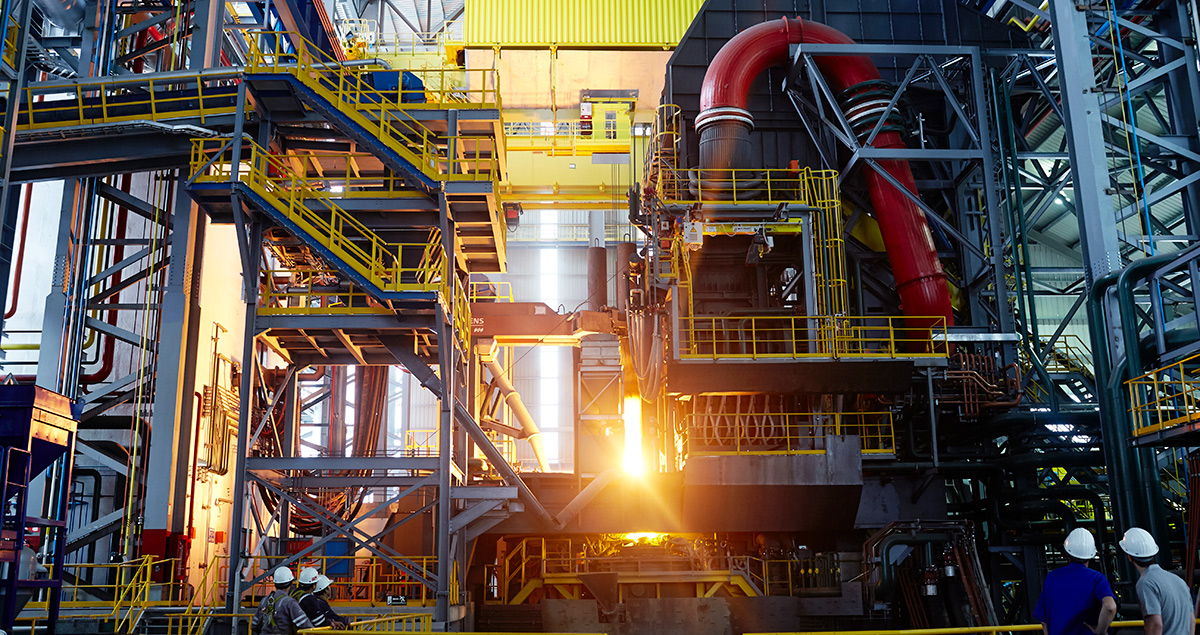
"The best way to produce green steel is with an electric arc furnace if scrap serves as main charging material," Chung says. "If you combine this with downstream facilities such as, for example, endless strip production, you have the best of both worlds: a highly versatile melting unit and a casting and rolling facility in line. And you are keeping energy consumption to a minimum, because whatever you produce hot, you directly cast and roll."
Primetals is involved in a Red River Delta project with leading Vietnamese industrial enterprise Xuân Thiện Group, which centers on building two production lines featuring these technologies, including capabilities not previously seen in Vietnam.
The company is also advancing the country’s steelmaking capabilities through other major projects, including an ongoing collaboration with Southeast Asia’s largest steel producer, Hoa Phat Group.
Scrap availability — the ‘no 1 criteria’
Alongside supplying advanced steelmaking technology, Primetals is bringing expertise in every step of the iron and steel production chain to the partnership.
“We help our clients make the right choices based on their situation," Chung says. "This can include the availability of raw material, the finished products, what they want to produce, the amount they want to produce and more — it all has to fit all together.”
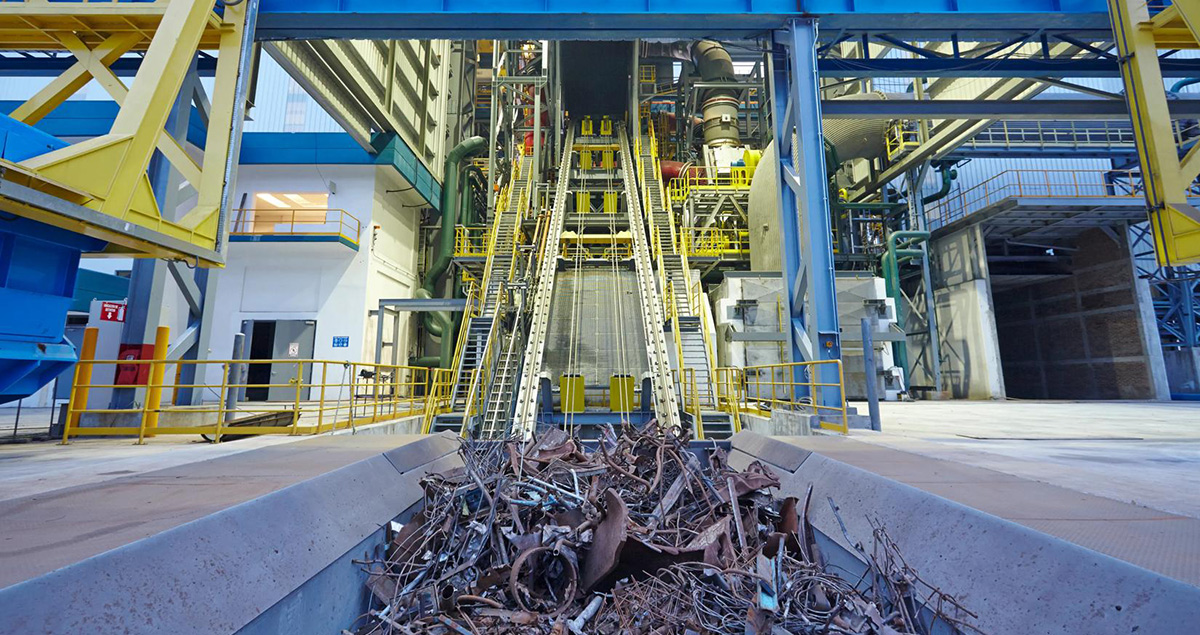
Chung adds that access to scrap steel as raw material — for which Vietnam currently relies heavily on imports and is a ground for increasing competition — is the “number-one criteria” affecting the decarbonization of the country’s steel sector.
In a nation where the motorcycle is a dominant mode of transport, the number of people buying cars is a key consideration. As the country’s middle class and the demand for cars grow, this will both increase the demand for high-quality steel and, in time, boost the amount of available scrap.
This is one example, Chung says, of why the move to cleaner steel won’t happen overnight but will be a steady transition over time.
Economic and sustainability benefits
Once operational, the Red River Delta project will help Vietnam to be recognized among the world’s high-quality steel producers while also highlighting its leadership in the global ‘green’ industrial transition.
It is also expected to contribute to the significant economic and social benefits that will come from the Delta’s recently created economic zone, Ninh Co.
As Vietnam continues to build on its position as an industrial powerhouse, high-quality green steel will be its backbone.

Discover more about Primetals electric steelmaking technologies
Related tags
SHARE


David Elliott
David Elliott has two decades’ experience working as a journalist, communications professional and content creator, including for some of the world’s biggest technology brands.
MHI endeavors to ensure all content published on Spectra is accurate and current at the time of publication; however, data and links are subject to change, and MHI accepts no responsibility for information that has since been updated or amended. For more information please refer to our Terms of use.