


CERAWeek 2026: Responding to demand and disruption

The way the world produces and uses energy is at a pivotal moment as emerging technologies, shifting supply chains and global market forces, including efforts to ensure energy security, reshape the landscape.
This outlook was reflected at CERAWeek 2026, held under the theme “Convergence and Competition: Energy, Technology and Geopolitics”.
Signaling energy’s future
Thousands of global energy executives, government officials and technology leaders once again convened in Houston, Texas, for the annual late-March conference. But where once the focus of the gathering was largely on oil and gas — which still loomed large amid ongoing supply disruption in the Middle East — the scope is now increasingly broad, taking in everything from power generation to tech disruption and demand growth.
Key themes for 2026 included the confluence of energy and digital technologies, the geopolitical dynamics shaping energy markets and scalable pathways for low-carbon technologies.
With leaders from across the entire energy ecosystem exchanging ideas and discussing practical solutions, the event provided some strong signals as to where the energy industry might be heading.
A complex landscape
“CERAWeek really does adapt to the times to bring relevant energy-related topics to the table,” said Takajiro Ishikawa, who was attending the conference as President and CEO of Mitsubishi Heavy Industries (MHI) America and is now Senior Executive Advisor to the company. “It's the only forum that I can think of where energy leaders from around the globe meet and think about what to do better.”
The challenges discussed were myriad and wide-ranging. Conflict in the Middle East and its impact on global energy flows was much covered.
The surge in power demand driven by the rise of AI — conference organizer S&P Global estimates data center power demand worldwide could grow by 12%-16% annually over 2025-2030 — was high on the agenda. So, too, was AI’s potential for system optimization, grid flexibility, predictive maintenance and cybersecurity.
The growing role of critical minerals in energy applications, maintaining momentum on the technologies that will propel the energy sector forward, and boosting resilience as supply chains fragment were also important themes throughout the week.
Diversification push
Against the backdrop of “more disruption and upheaval in markets than ever before”, as S&P Global vice chairman Dan Yergin put it in an interview as CERAWeek kicked off, the conference program somewhat pivoted from a Big Tech focus toward the theme of energy security and affordability.
As businesses and countries assess this landscape and their degree of dependence on oil and gas from imports, Yergin predicted a “big push for diversified supplies”. Policymakers are also looking at expanding everything from renewables to nuclear energy as a response.
This was underscored by comments at CERAWeek from Hiroshi Matsuda, Chief Regional Officer, Europe, Middle East & Africa at MHI: “One of the key lessons we’re learning globally is that diversity of energy sources is essential.”
Matsuda highlighted a renewed interest in nuclear energy as countries look for reliable, low-carbon power as a key example.
A pragmatic response
Navigating the transition from coal and gas to nuclear and emerging technologies was the focus of a session called ‘The Changing Mix of US Power Generation: Gas, renewables, coal, nuclear and beyond’.
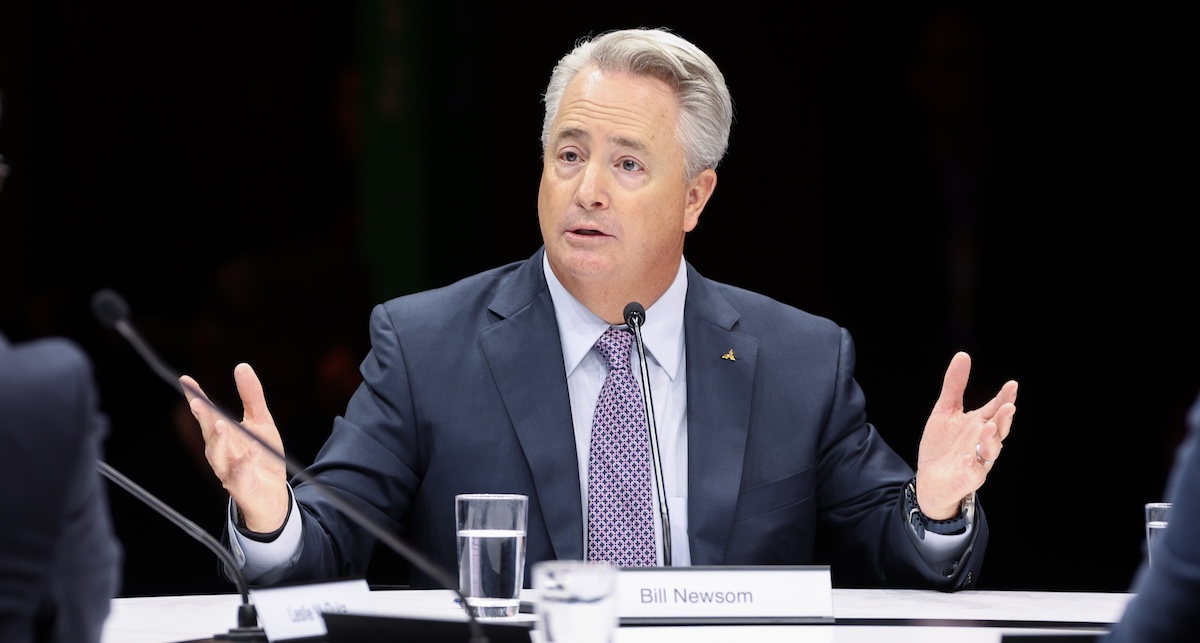
The panel, which featured Mitsubishi Power Americas’ President and CEO Bill Newsom, explored how policy, markets and technology are reshaping the power mix and what it will take to maintain reliability and affordability as the system evolves.
An ‘all-of-the-above’ approach, that includes renewable energy, nuclear and advanced energy storage, will be essential. Clean, reliable and cost-effective generation is still the goal, Newsom affirmed in an episode of the CERAWeek podcast. But pragmatism and “electrons as quickly as possible” are an increasing focus as AI, manufacturing expansion and electrification continue to drive demand.
“These all need to be serviced by baseload generation,” he said. “Renewables can’t service 24/7, 365. So, we need to bring baseload generation as quickly as possible.”
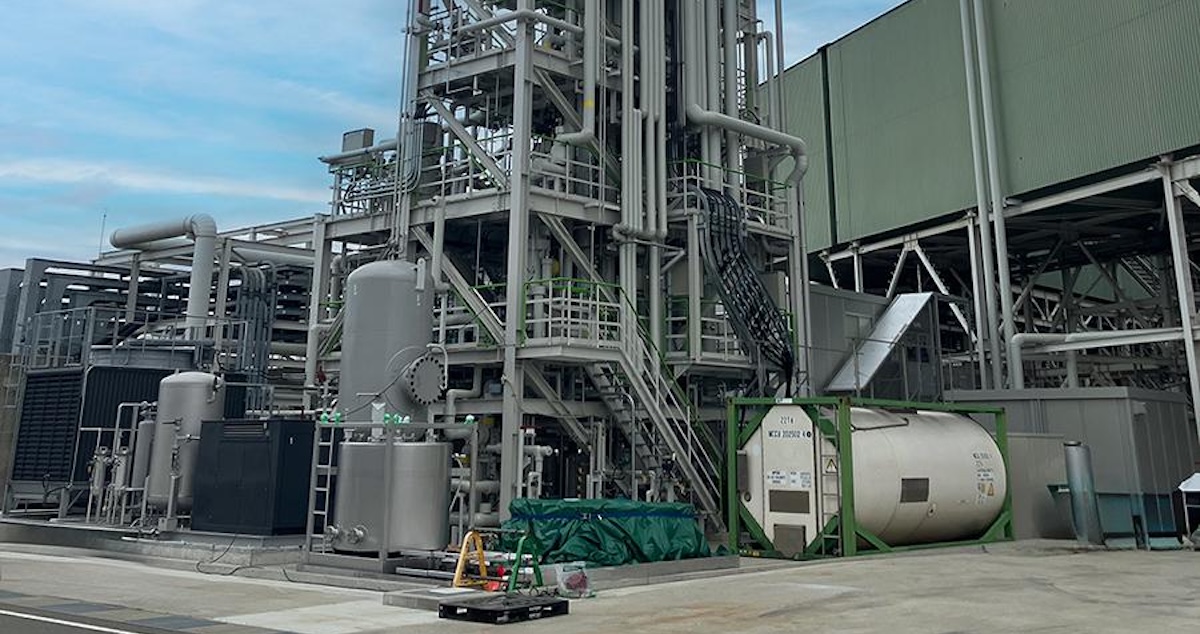
Here, advanced gas turbines — with CO2 capture integration and hydrogen as routes to further emissions reduction — are taking center stage. In the US alone, heavy-duty gas turbine demand has increased more than sixfold in five years.
“At the same time, the industry is competing for manufacturing capacity and dealing with longer equipment lead times,” Newsom added at CERAWeek. “That’s why solutions such as standardized plant designs, stronger partnerships and faster permitting will be critical to building the infrastructure needed for the future.”
Reliable, flexible and efficient
While challenges differ across regions, energy pragmatism was a unifying theme at CERAWeek 2026.
Technologies that combine reliability, flexibility and efficiency will be essential to advancing decarbonization while enabling competitiveness and progress.

Discover more about Mitsubishi Power’s advanced gas turbines
Related tags
SHARE


David Elliott
David Elliott has two decades’ experience working as a journalist, communications professional and content creator, including for some of the world’s biggest technology brands.
MHI endeavors to ensure all content published on Spectra is accurate and current at the time of publication; however, data and links are subject to change, and MHI accepts no responsibility for information that has since been updated or amended. For more information please refer to our Terms of use.