


Energy Explained: What is curtailment and how do we address it?

We need more renewable energy, whether it’s to decarbonize power grids, for countries’ energy independence, or to produce clean fuels such as hydrogen.
At the same time, vast amounts of renewable energy are wasted. Wind and solar farms regularly have to shut down when they produce more electricity than there is demand for. Renewable curtailment — as this practice is called — across Europe reached record highs in the first nine months of this year, according to Bloomberg. And it is rife worldwide.
Why does curtailment happen, what is the impact on the energy transition and what will it take to reduce curtailment from its current highs?
What is renewable energy curtailment?
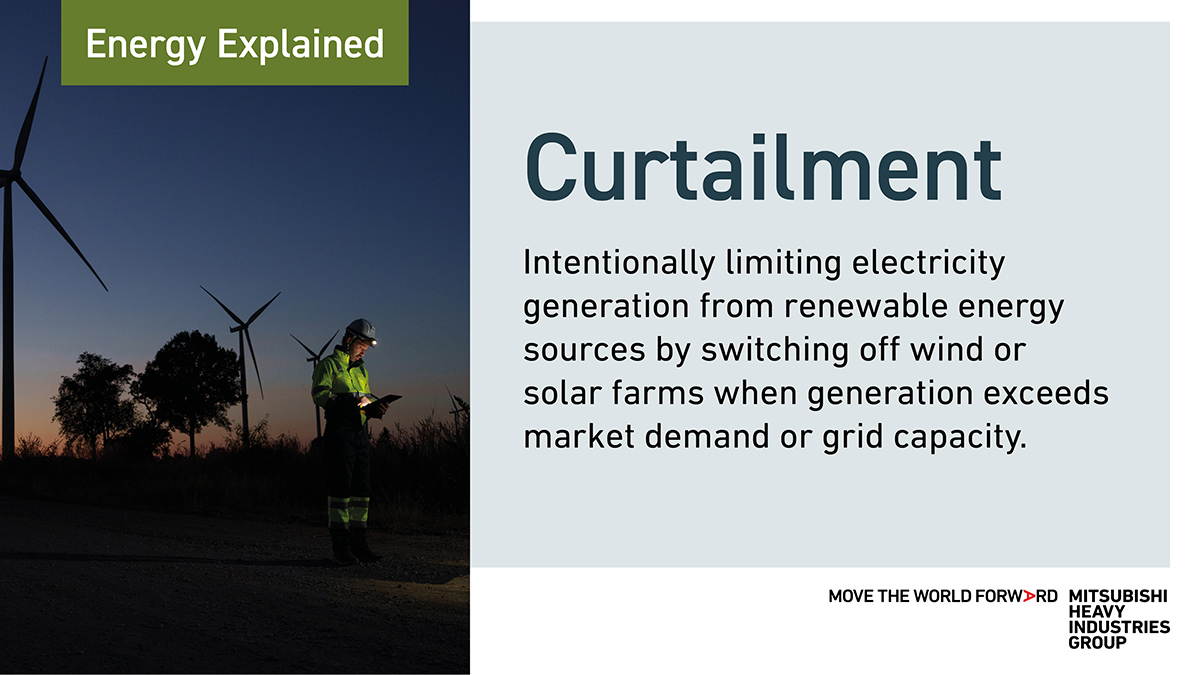
Energy curtailment in renewable energy is the intentional limiting of electricity output from sources like wind or solar when generation exceeds the grid's capacity or market demand.
When renewable sources produce excess energy that isn't needed or can’t be absorbed by the grid, wind, solar and other renewable energy plants are turned down to operate at a fraction of their maximum capacity. They may even be switched off entirely.
The goal is to lessen the stress on the grid and maintain grid stability.
The large-scale power outage in Spain and Portugal in April — which experts have called the most severe in Europe for the past 20 years — is an example of what happens when supply and demand fall out of sync. A new report attributes the event to an overvoltage. One potential cause is an oversupply of energy that overloaded the grid, though a detailed investigation is still outstanding.
Why is curtailment important for the energy transition?
Curtailment has been increasing steadily in markets with a high share of renewables.
Spain deliberately cut nearly a fifth of its wind generation in May, three times more than in the same period in 2024. France reached a peak in August with more than 11% wind curtailment. In the UK, curtailed electricity could have powered all Scottish households in the first half of 2025.
And Europe is not alone. Brazil cut the output of its solar farms by 20% in August 2025, compared to 12% the year before. In China, some provinces saw curtailment rates of above 30% for both wind and solar in the first six months of the year.
In some markets, operators receive compensation for curtailment. But many renewable facilities depend on power-purchase agreements, sacrificing revenue opportunities. For instance, California often pays neighboring states to take excess solar energy despite curtailing, analysts at PF Nexus say.
What is more, renewable curtailment risks perpetuating the reliance on fossil power generation.
What leads to curtailment?
The primary cause of curtailment worldwide is grid limitations.
There are long waiting lists for new solar, wind and other renewable assets to be connected, but grid operators are slow to extend their networks to reach them.
The International Energy Agency reported earlier this year that at least 3,000 gigawatts (GW) of renewable projects were awaiting grid connection. It has described grids as a bottleneck for the net zero transition. More than 80 million kilometers of grid will have to be added or refurbished by 2040 to reach national net zero goals. This is equivalent to the entire existing global grid.
Where renewable assets are connected to the grid, operational constraints can also lead to curtailment. These assets can be delivering peak-level electricity, but the grid’s import capacity is insufficient to handle the extra amount generated. This is when there’s a risk of blackouts. Since this surplus often cannot be stored or transferred easily to where it’s needed, curtailment is the only way to maintain grid stability, PF Nexus highlights.
There may also be economic reasons for temporarily shutting down renewable assets. This can happen when wholesale market prices drop or even turn negative during periods of high wind or solar output. Curtailment can be an attempt to stabilize electricity prices.
How can curtailment be reduced?
There are several options for reducing curtailment.
-
Expanding grids — creaking transmission networks require expansion and upgrades. However, with electricity systems designed for centralized power, this can be long and costly. Permitting processes and regulations frequently slow expansion projects down and converting from a ‘one-way’ power system to a decentralized, multidirectional one also presents technical challenges.
-
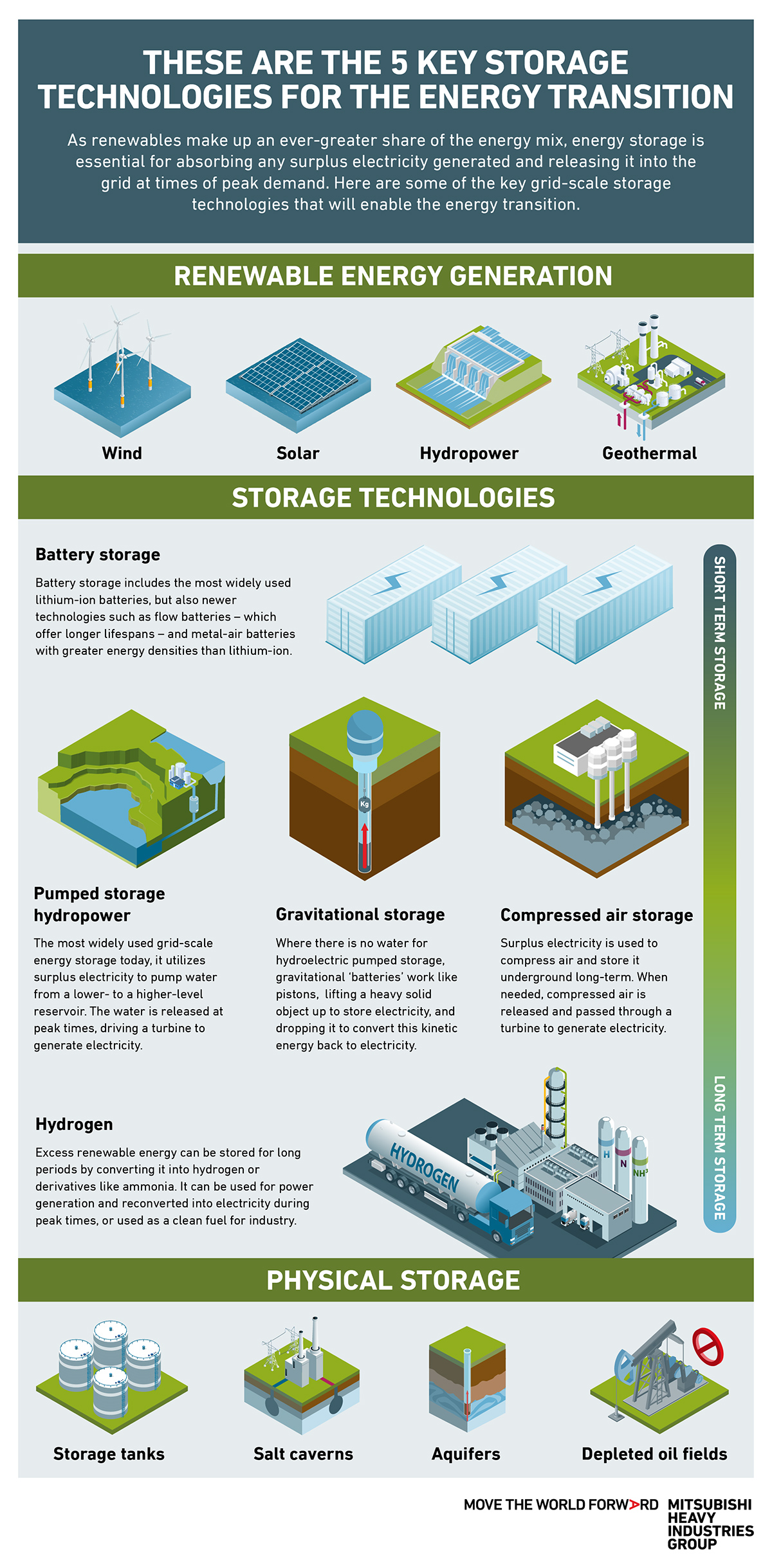
Energy storage — grid operators must also develop on-site storage such as battery energy storage systems, either using standard lithium-ion models or new technologies. For example, metal-air batteries offer greater energy densities and flow batteries have a longer lifespan than lithium-ion.
-
Power-to-X — excess renewable electricity can also be used to produce hydrogen, ammonia and other clean e-fuels, providing revenue for grid operators and helping to decarbonize industry and transport. As the number of electric vehicles grows, these can also store surplus energy. Vehicle-to-grid charging enables electric cars to absorb and send power to and from the grid as needed, helping to stabilize the grid and manage peak loads.
-
Intelligent grid management — encouraging flexible consumption (demand response) from industrial users and households helps absorb excess energy and cut peak demand. Smart grid technologies that monitor and control electricity flows in real time are crucial to achieving this while also enhancing overall grid management.

Why is regulation a key factor in lowering curtailment?
Reducing curtailment depends greatly on the regulatory environment and suitable market designs to smooth the path to a modern energy system that can make the most of all energy generated, independent of where and when.
Reducing hurdles that hold back the expansion and upgrading of grids, such as permitting, is as much a part of this as creating greater grid flexibility and facilitating interconnections with neighbors that can absorb surplus electricity.
As the energy transition continues, curtailment will likely be with us for some time, but there is potential for a marked reduction as new decentralized power systems become the norm.

Discover more about MHI’s commitment to carbon neutrality and the energy transition
Related tags
SHARE


Andrea Willige
Andrea Willige has spent many years creating content for the international business and technology press, working on behalf of some of the world’s largest technology companies.
