


COP31: Building resilient low-carbon energy systems

This year’s United Nations Climate Change Conference is billed as the COP that will turn negotiation into implementation — a moment to convert ambition into projects, infrastructure and measurable progress.
This may sound familiar. But while we have heard versions of this message before, COP31 arrives in a new context. Ambition to “transition away from fossil fuels” — a term first adopted at COP28 — continues just as power demand, geopolitical risk and pressure on nations’ infrastructure are all increasing.
This means countries are no longer just looking at how to reduce emissions. They are focused on building energy systems that can keep homes, industry, cities and digital infrastructure running through any volatility, while at the same time becoming cleaner, more affordable and less dependent on imported fuels.
COP31’s action-focused agenda reflects this backdrop.
What’s on the COP31 agenda?
The 2026 summit is hosted in Antalya, Türkiye, and for the first time responsibilities will be split between two countries: Türkiye and Australia.
Australia leads the official diplomatic process in which attending countries — or Parties — review progress and negotiate measures in key areas. Previously, this has included tripling renewable energy capacity and doubling the global average annual rate of energy efficiency improvements every year until 2030.
Türkiye holds the Presidency and is responsible for the summit’s Action Agenda, which is designed to turn existing climate commitments into measurable results. Its flagship pledge is a ‘35-by-35’ ambition to lift electricity’s share of global energy consumption from just over 20% today to 35% by 2035.
This Global Electrification Pledge — a worldwide ambition to advance electrification that recognizes different national circumstances and pathways — is accompanied by initiatives to electrify buildings, transport and industry, strengthen power grids, enhance international cooperation and mobilize financing.
“Beyond data centers, we need to electrify energy consumption throughout our lives … COP31 will be a critical moment to focus the world’s attention and energies on these critical priorities,” the Presidency said ahead of the event.
But electrification can only deliver climate and economic benefits if the system behind it is low-carbon, flexible and capable of meeting demand when it matters most.
Addressing the implementation challenge
Many of the technologies required to advance the use of low-carbon technologies in a secure, affordable and sustainable way are available and increasingly well understood.
The more difficult question is whether they can be deployed as joined-up systems at the pace required.
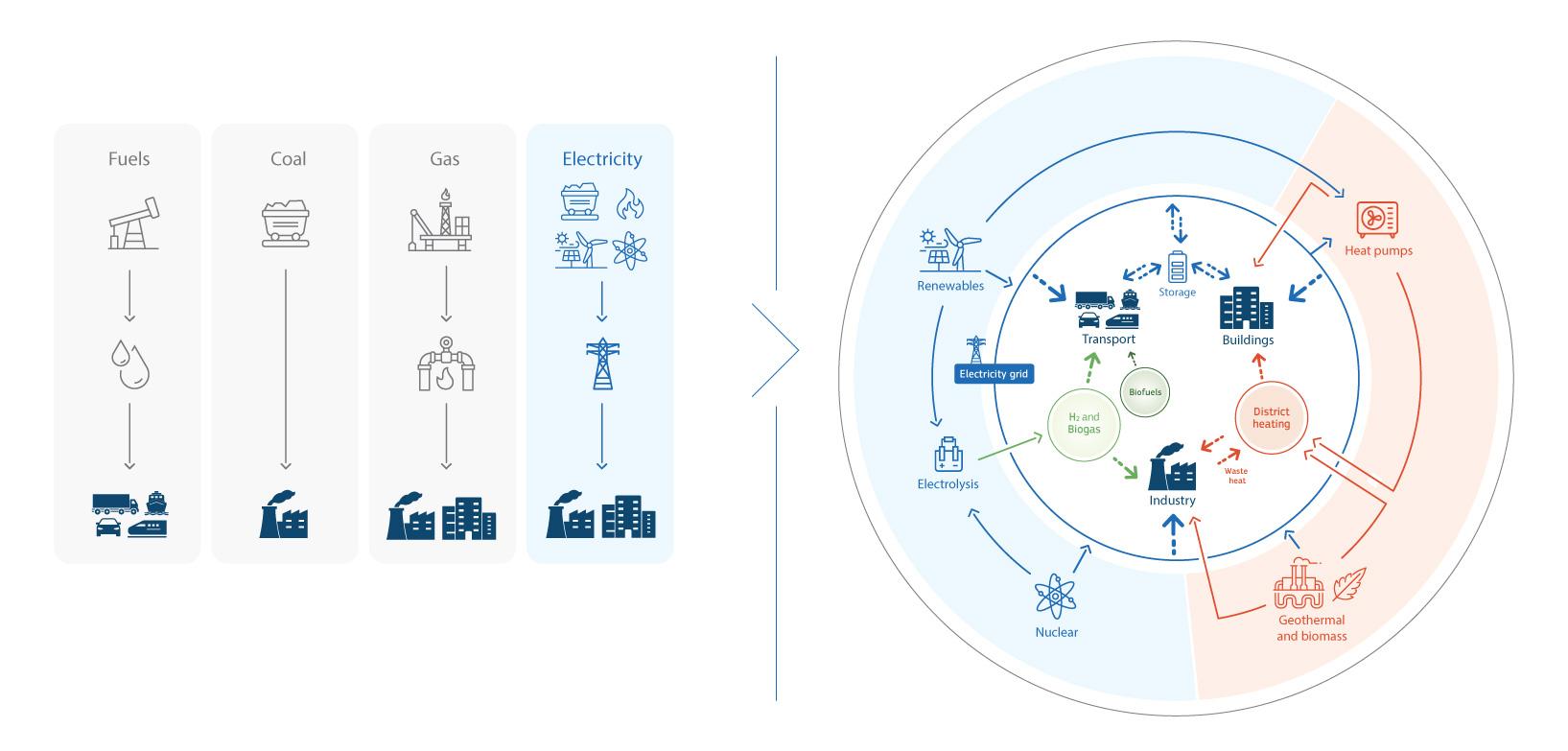
As the World Economic Forum’s Centre for Energy and Materials notes, this systems integration is the “next big challenge” for the energy sector. Clean technologies already work at scale — integrating them across power, industry, transport and digital infrastructure to keep energy reliable, affordable and secure is the vital next step.
That’s why COP31’s focus on practical implementation initiatives and partnerships through the wide-ranging Action Agenda could prove to be as crucial as the main negotiations and headline targets.
“We must facilitate access to finance, strengthen capacity, bring technology and investment together with real needs, and strengthen cooperation in a way that accelerates implementation,” Türkiye’s Environment Minister and COP31 President Murat Kurum said ahead of the summit.
Building resilient low-carbon systems
Low-carbon energy is already helping nations reduce dependence on energy imports and limit exposure to shocks.
Low-carbon energy markets are expected to exceed $3.7 trillion in annual value by 2030, with growth reinforced by fossil fuel price volatility and rising demand for cooling, electrification, digital infrastructure and AI.
Yet the infrastructure and skills that deployment depends on are lagging. And many decarbonization solutions, especially for hard-to-abate industries, are not yet scaling at the pace needed.
The Action Agenda’s 10 priority themes — spanning zero waste and climate-resilient cities to green industrialization and clean energy technologies — aim to be a blueprint for implementation to mobilize government, businesses, investors, cities, civil society and more.
With resilient grids the “backbone of the clean energy system”, investment in grids, storage and flexibility will all be discussed.
Low-carbon industrial pathways that support development and competitiveness, the promotion of country-led industrial decarbonization hubs to strengthen investment readiness and the scaling up of ‘near-zero’-emission technologies in steel, cement and chemicals are also on the agenda.
From ambition to consensus to action
Ultimately, COP31 wants to turn climate ambition into infrastructure that works: clean power, electrification and industrial decarbonization underpinned by stronger grids, storage, flexibility, finance and skills.
The move to low-carbon energy will not be won by technology, but by building integrated, resilient low-carbon systems that can keep economies running as demand and disruption rise.

Learn more about MHI’s work to advance low-carbon energy systems.
Related tags
SHARE


David Elliott
David Elliott has two decades’ experience working as a journalist, communications professional and content creator, including for some of the world’s biggest technology brands.
MHI endeavors to ensure all content published on Spectra is accurate and current at the time of publication; however, data and links are subject to change, and MHI accepts no responsibility for information that has since been updated or amended. For more information please refer to our Terms of use.