


As Europe warms, cooling is in the spotlight

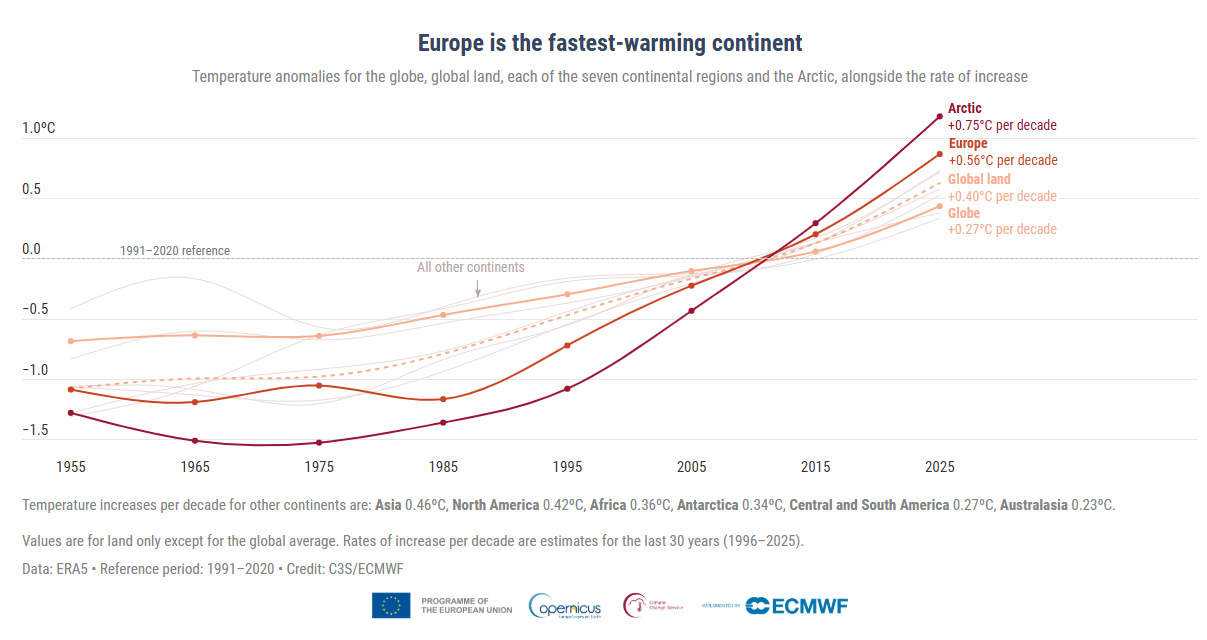
Which continent is warming fastest? The perhaps surprising answer: Europe.
Data from the European Union (EU) Copernicus Climate Change Service shows continents have been warming at rates between 0.23°C per decade since the mid-1990s, as seen in Australasia and 0.46°C per decade, as with Asia. At 0.56°C per decade, Europe is warming at more than double the global average.
Many of the factors contributing to this trend can be seen all around us, from changing weather patterns to decreasing snow cover. A solution might seem harder to realize.
But addressing the challenge is an immediate priority. Temperatures in many countries recently hit unprecedented levels as Western Europe logged its hottest June on record. More than a quarter of households in the EU report not being able to keep their homes comfortably cool and studies link inadequate cooling to tens of thousands of excess deaths on the continent.
As the EU says, cooling in Europe has “shifted from a comfort issue to a safety question”.
The impact of rising indoor temperatures
The rates of warming in Europe vary by country and season. But the overall picture is clear: the continent wasn’t built for the heat it is now experiencing.
In many regions, higher outdoor temperatures can contribute to rising indoor temperatures, particularly during prolonged periods of hot weather.
As a result, indoor temperatures can frequently exceed those outdoors. In the UK, for example, data shows homes to be on average 36% warmer indoors than outside across the summer months. The country’s Met Office suggests temperatures in the UK could peak at 45°C by 2056.
What’s more, an increase in ‘tropical nights’, where temperatures in the 20s and above are sustained throughout the night, can prevent people exhausted from daytime heat from properly recovering.
The effects of rising indoor temperatures range from poor sleep to lower cognitive performance. In recent heatwaves, schools in the UK and France were closed. There is a financial impact, too, with the World Resources Institute saying that without action to adapt, heat-related losses to GDP across Europe could increase fivefold in the next three decades, mainly due to reduced worker productivity.
Even more seriously, rates of heat-related deaths are climbing, with the elderly particularly vulnerable.
The challenges are reshaping how the air-conditioning industry approaches indoor climate management. “Air conditioning is no longer simply a solution for enhancing comfort,” says Ryoichi Kariya, Managing Director of Mitsubishi Heavy Industries Air-Conditioning Europe, Ltd. (MHIAE). “It is becoming an essential technology to protect health, support wellbeing, and ensure communities remain safe and resilient as temperatures continue to rise.”

A mix of mechanical and passive solutions
The EU is keen that the solution to this problem is not simply ‘more air conditioning’, however, emphasizing the use of both mechanical cooling balanced with measures to reduce heat before it enters buildings.
Cities across the continent are implementing green infrastructures, including green roofs and shaded spaces to combat urban heat island effects.
Passive cooling measures, such as better ventilation and external shading, are being championed. And building standards and renovation policies are being updated to ensure buildings are more resilient to heat.
Europe is also advocating that energy tariffs protect low-income consumers during periods of heat, noting that the alignment of solar generation and cooling demand in these periods makes ‘time-of-use’ pricing an opportunity.
The role of advanced cooling technology
The fact remains, though, that with many buildings in Europe designed to retain heat rather than release it, air conditioning has a vital role to play. Once seen as a luxury rather than a necessity, access to air conditioning on the continent is among the lowest in the world — just 20% of Europe’s buildings currently adopt it.
Increasing that percentage will create tension with environmental commitments and could have a significant impact on grid infrastructure that is already stressed — especially in the summer. Earlier this year, the Italian city of Turin experienced widespread blackouts as a heatwave strained the local power network, for example.

The forthcoming EU Heating and Cooling Strategy acknowledges the system-wide nature of the challenge, including targets for member states to increase the share of renewables in cooling and a requirement for countries to introduce measures to ensure cooling is efficiently integrated into the energy system.
It also notes the role of technologies, including efficient reversible heat pumps, district cooling networks and incentivizing the deployment of innovative cooling technologies in the future. Manufacturers such as MHI Group are continuously improving these technologies, including using modern refrigerants with low global warming potential to make cooling equipment more energy efficient while reducing CO2 emissions.
“As meteorological intelligence indicates that future weather patterns will become increasingly volatile, it's vital to develop accessible, energy-efficient air conditioning solutions that address these challenges,” Kariya says. “This includes products designed to simplify installation and maintenance, while being ideally suited to retrofit applications where existing buildings must be adapted quickly and efficiently to meet the demands of a changing climate.”
Accelerating cooling progress
The latest cooling equipment using heat pump technologies can provide significantly higher energy efficiency compared to traditional air conditioning — supplying over five times more cooling energy than the electrical energy consumed.
What’s more, installing air conditioning in a home can add to its property value — research from the UK estimates this could be as much as $26,500 once installation costs have been accounted for.
While the technology is available, forward-thinking policy is required to help drive progress, according to Kariya. “We would welcome clear long-term policy frameworks from governments, along with appropriate financial incentives and greater investment in training programs to support the workforce required for this transition. We are ready to supply our equipment and service in response to the increased demand.”
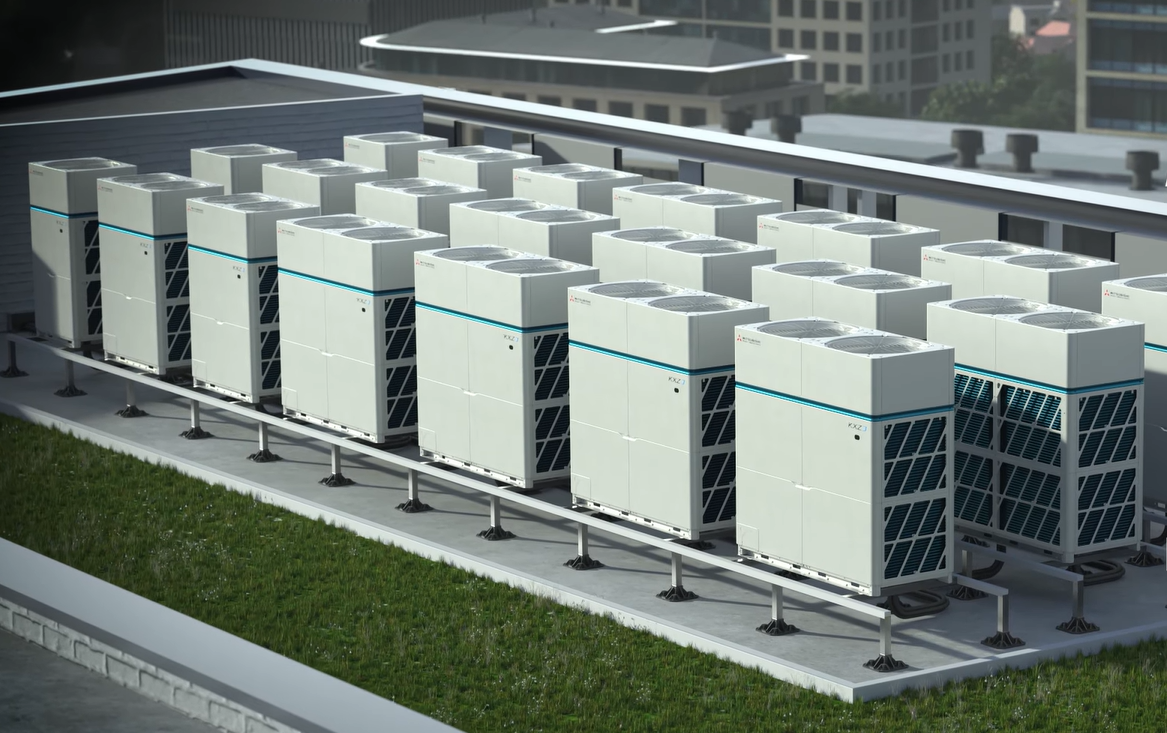
As heatwaves continue to hit Europe, advancing the technology to ensure communities stay comfortable and safe — and businesses remain operational — is vital.

Related tags
SHARE


David Elliott
David Elliott has two decades’ experience working as a journalist, communications professional and content creator, including for some of the world’s biggest technology brands.
MHI endeavors to ensure all content published on Spectra is accurate and current at the time of publication; however, data and links are subject to change, and MHI accepts no responsibility for information that has since been updated or amended. For more information please refer to our Terms of use.