


5 ways El Niño could impact the energy sector

Jaw dropping. Off the charts. Godzilla-level. These are just some of the terms being used to describe the historic El Niño event developing in the Pacific Ocean.
The climate phenomenon — in which ocean warming can cause major shifts in weather patterns around the world, increasing the likelihood of heatwaves and droughts in some places and heavy rain and cooler weather in others — is the strongest on record, scientists say.
As it continues, it could place new pressure on global energy systems, with higher cooling loads, tighter LNG markets and more potentially testing the resilience, flexibility and interdependence of power systems worldwide.
Here are some of the possible effects of a strong El Niño on energy across the globe.
1. Electricity demand could climb
The International Energy Agency (IEA) says a stronger-than-expected El Niño could lift global electricity demand by increasing cooling needs.
Warmer conditions raise demand for air conditioning, particularly in fast-growing electricity markets. They both increase the use of existing air conditioners and also drive new sales, which creates a “structural effect that persists over time”, according to the IEA.
In South Asia, El Niños have historically led to above-normal temperatures and can trigger intense, long-lasting heatwaves.
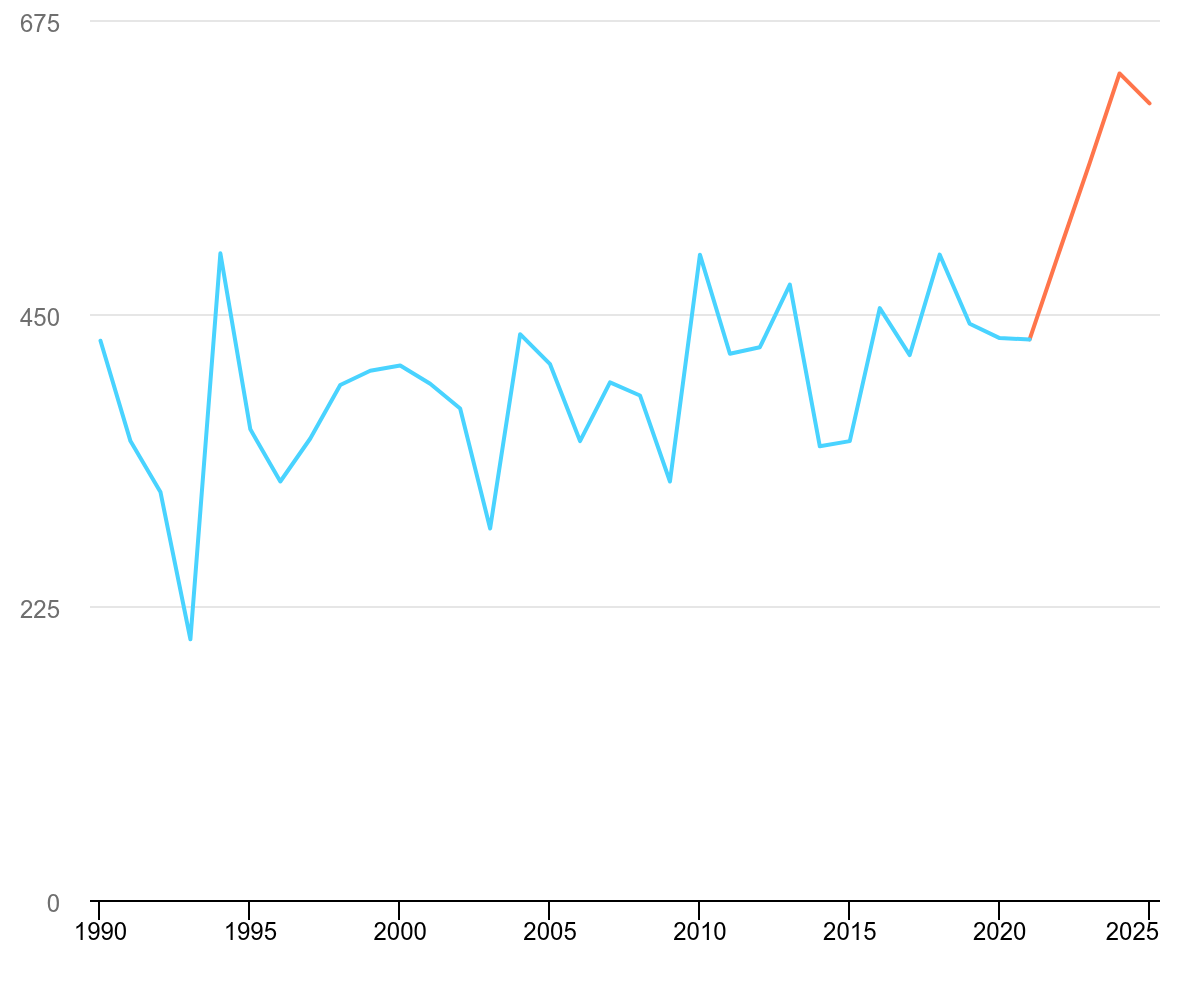
But right across the world, the number of “cooling degree days” — a measure of cooling needs — is on the rise.
IEA figures show that in many regions, the pace of this growth has accelerated since the previous El Niño event in 2023-24. In China and Europe, for example, cooling degree days were 25% higher in 2024 than they were in 2020. In Japan and Korea, they were nearly 50% higher.
2. Renewables could come under pressure
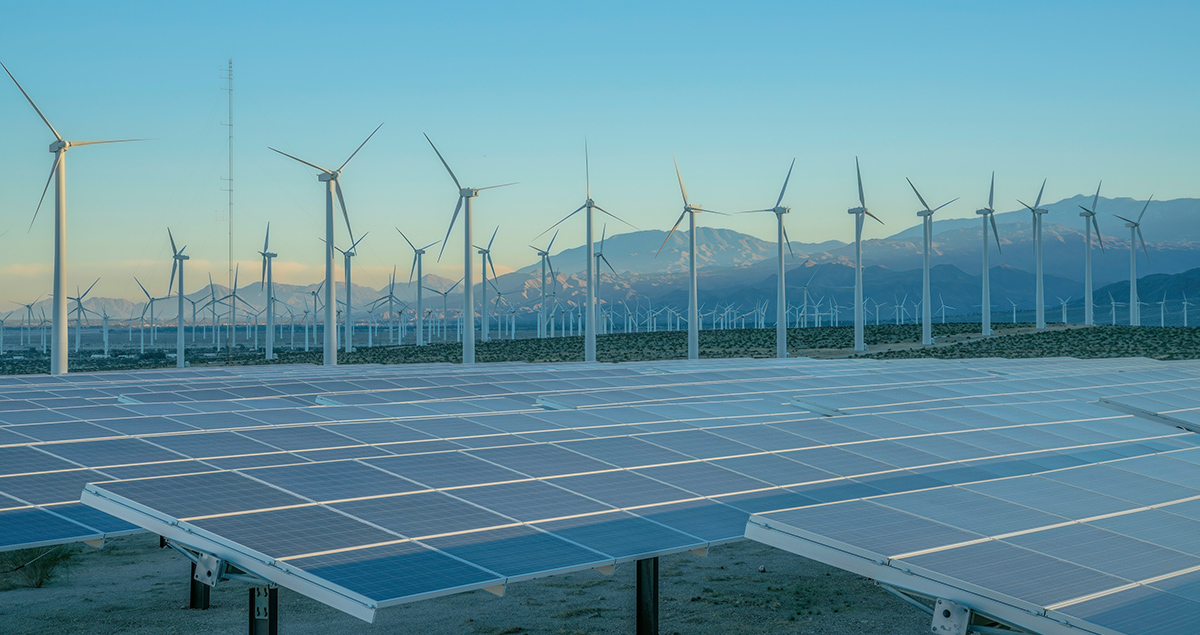
Changing weather patterns create effects on solar, wind and hydropower.
Some of the strongest impacts are often felt in the Americas. Each El Niño is different, but they are associated with milder and drier winters in the northern US and Canada and heavier-than-average rainfall in the southeastern US, according to Wood Mackenzie.
The 2023-2024 El Ninõ reduced wind output in the central US and solar output in California. If the current El Niño turns out to be as strong as forecast, the hit to solar output in the south and west of the US could be the “largest yet seen”, Wood Mackenzie says.
The previous El Niño also caused steep falls in hydro generation in China and India.
A recent report warned that this time around India’s energy system could be “hit harder than anywhere else in the world” due to a combination of falling winds and rainfall that could cut power generation from turbines and hydropower and increased demand for air conditioning that will drive up energy use.
3. Coal and gas could fill the gap
Lower renewable output and higher power consumption could increase reliance on dispatchable thermal generation.
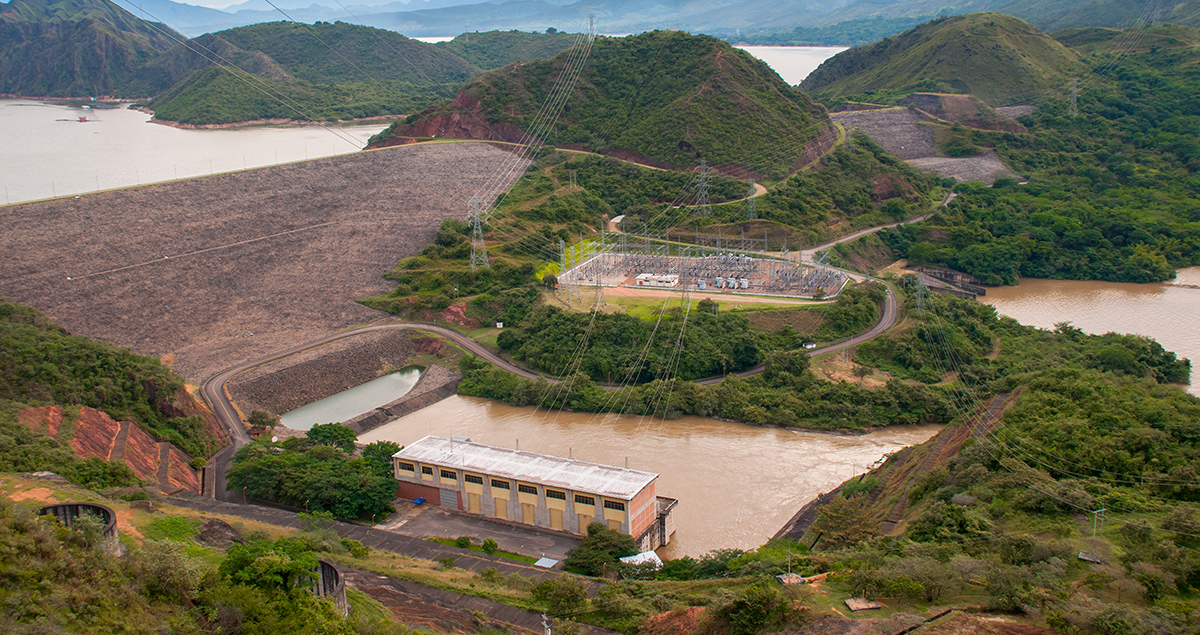
This could drive greater coal and gas use to prevent electricity shortfalls, especially in regions such as Southeast Asia and Latin America and, according to the IEA. During the previous El Niño event, reservoir levels in Colombia fell to less than 30% of their average levels, hitting hydropower generation — and demand for natural gas in the power sector almost doubled.
In other regions, however, El Niño could lessen the amount of gas needed — for example, stronger wind power across Europe in the winter could limit how much gas utilities need over the peak heating demand period.
4. Grid resilience could be tested
This El Niño could also test grids that are already under pressure as demand surges.
For example, in regions that rely on hydropower, reduced production could come at the exact time demand for cooling climbs.
Although cooling represents around 10% of annual electricity consumption, it accounts for 30% of peak electricity demand, the IEA says. This demand concentration can strain power systems, particularly during heat waves when cooling demand rises fast and the electricity supply can be disrupted.
Grid infrastructure could also be at risk from heavy rain or flooding affecting lines and substations or wildfires threatening transmission lines.
5. Flexibility could become more valuable
El Niño could prove to be a test of how systems can cope with a more variable climate, especially as its effects could layer onto the impacts of other system shocks for many regions.
Climate has a direct bearing on both energy supply and demand, according to a report produced by the World Meteorological Organization, the International Renewable Energy Agency and the European Union.
Alongside seasonal climate forecasting, it recommends regions build diversified energy portfolios combining a range of renewable sources, emerging technologies and storage to manage climate variability and ensure energy security and resilience.
El Niño may mean “little boy” in Spanish, but for many regions its impacts could be far from small, highlighting the need for regions around the world to take steps to strengthen their energy supply.

Discover more about MHI solutions helping to realize a safe, secure, and comfortable world
Related tags
SHARE


David Elliott
David Elliott has two decades’ experience working as a journalist, communications professional and content creator, including for some of the world’s biggest technology brands.
MHI endeavors to ensure all content published on Spectra is accurate and current at the time of publication; however, data and links are subject to change, and MHI accepts no responsibility for information that has since been updated or amended. For more information please refer to our Terms of use.